NAIROBI, KENYA
Kenya has confirmed its eighth Ebola infection, intensifying concerns over the spread of the deadly virus across East Africa as health authorities strengthen surveillance, quarantine measures and border controls to prevent further transmission. Director-General for Health Patrick Amoth announced that the latest patient, a 49-year-old hospital attendant, tested positive on Sunday, October 18, after developing fever, headaches and muscle pain.
The man reportedly worked cleaning utensils and hospital linens and is believed to have been exposed to Kenya’s first Ebola patient, who died on October 5. According to Amoth, laboratory tests conducted on 38 people identified one additional infection, bringing Kenya’s confirmed cases to eight, including one death. The latest patient had already been quarantined following his suspected exposure, allowing authorities to identify and isolate him after symptoms appeared.
Kenya’s first case involved a 40-year-old man who travelled from the Democratic Republic of Congo through Uganda before arriving in Nairobi on October 3. He was admitted to hospital but died two days later, prompting emergency investigations and contact tracing. Among those subsequently infected are three relatives and three healthcare workers who attended to the initial patient. Health officials have identified approximately 130 contacts, with 128 placed under quarantine. Authorities maintain that the remaining patients are stable and receiving supportive treatment, while no evidence of wider, unlinked community transmission has been established.
Meanwhile, the situation in neighbouring Congo has become increasingly alarming. The outbreak, caused by the Bundibugyo strain of Ebola, has spread to eight Congolese provinces, with more than 9,400 infections and 4,500 deaths reported since May. The latest affected province, North Ubangi, borders the Central African Republic, raising concerns about further cross-border transmission. The World Health Organization is supporting Kenya’s emergency response, including surveillance, laboratory testing and infection prevention.
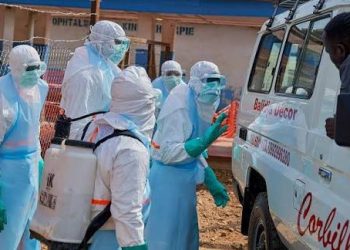
Kenya has intensified screening at airports and border crossings, established emergency reporting channels and designated special airport arrangements for travellers arriving from high-risk countries. Neighbouring Tanzania has also strengthened border surveillance and introduced additional health monitoring requirements. Unlike some other Ebola strains, Bundibugyo currently has no approved vaccine or specific antiviral treatment, making early detection and supportive medical care essential.
The virus spreads through direct contact with infected bodily fluids or contaminated materials. With infections increasing, health authorities face the urgent challenge of breaking transmission chains while preventing panic and protecting frontline medical personnel. For Kenya, containing the outbreak before it spreads beyond known contacts remains the immediate priority.