Health News | Nairobi, Kenya
NAIROBI, KENYA — Kenya’s Ministry of Health has called on churches nationwide to intensify Ebola awareness campaigns, urging religious leaders to educate congregations about the deadly virus as authorities race to prevent further transmission following the country’s first confirmed imported case.
The appeal comes after a 40-year-old Kenyan man, who had travelled from the Democratic Republic of Congo through Uganda, died in Nairobi earlier this week after testing positive for Ebola. Public Health and Professional Standards Principal Secretary Mary Muthoni issued the advisory on Saturday, urging churches to use sermons, fellowship meetings, announcements and community outreach programmes to deliver accurate health information.
Muthoni emphasised that religious institutions could play a critical role in encouraging early detection, promoting preventive measures and combating misinformation. She urged worshippers to remain vigilant without panicking, stressing that anyone exposed to a suspected or confirmed Ebola patient must immediately notify health authorities, even without symptoms.
The ministry advised identified contacts to monitor their health for 21 days, warning that symptoms can emerge between two and 21 days after infection. Common symptoms include fever, severe headaches, muscle pain, weakness, vomiting and diarrhoea. Unexplained bleeding may occur in severe cases. Health authorities also warned against direct contact with infected individuals’ bodily fluids, contaminated clothing, bedding and other potentially infectious materials.
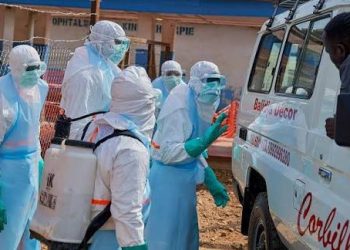
Meanwhile, the government has strengthened surveillance at airports and border crossings, expanded contact tracing and prepared specialised isolation facilities. Official figures released earlier this week showed that 57 contacts had been identified, with 10 placed under quarantine as investigations continued.
Despite growing public concern, Kenyan authorities insist the country is not experiencing an active Ebola outbreak. Africa Centres for Disease Control and Prevention officials have similarly clarified that the confirmed infection was imported, with no established local transmission. The developments unfold against a worsening Ebola crisis in the Democratic Republic of Congo, where more than 8,400 infections and 4,000 deaths have been reported.
Muthoni urged communities to reject discrimination against patients, survivors and affected families, warning that fear and misinformation could undermine containment efforts.
Anyone experiencing symptoms after possible exposure has been advised to contact the ministry through its toll-free emergency hotline, 719.
The government maintains that early reporting, public cooperation and effective surveillance remain essential to preventing wider transmission. Church leaders are expected to reinforce the public health message during upcoming worship services, strengthening the country’s community-based Ebola prevention campaign.