KINSHASA, Democratic Republic of Congo
The Democratic Republic of Congo’s worsening Ebola outbreak has surpassed 8,000 confirmed infections, with nearly 4,000 deaths recorded, as the United States and European Union announce additional funding to contain what has become the country’s deadliest Ebola epidemic.
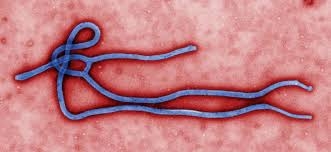
Government figures showed 8,067 confirmed cases and 3,901 deaths as of September 26, representing a fatality rate of roughly 48 percent. The outbreak, caused by the Bundibugyo species of Ebola virus, has now overtaken Congo’s devastating 2018-2020 epidemic in both cases and deaths. Globally, only the 2014-2016 West African epidemic has been larger.
The virus has spread to 63 health zones across seven provinces, increasing concerns about further geographical and cross-border transmission. Ituri remains the epicentre, with 6,155 cases and 2,834 deaths, while North Kivu has recorded 1,523 infections and 906 fatalities.
Although transmission has shown signs of easing in parts of Ituri, health authorities are particularly concerned about North Kivu, where infections have risen sharply and some treatment centres are under severe pressure. Delayed diagnosis, insecurity, shortages of health workers and mistrust of response teams continue to complicate containment efforts.
International donors are now stepping up financial support.
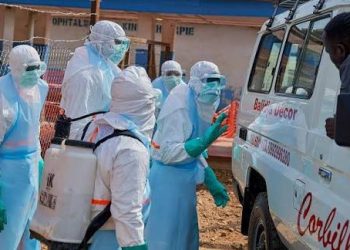
The United States announced an additional $267 million last week, bringing its direct health and humanitarian assistance for the Ebola response to about $887 million. The funding will support treatment centres, protective equipment, surveillance, contact tracing and safe burial teams.
The European Union has separately committed €7.5 million specifically for Congo’s Ebola response, including longer-term improvements in disease surveillance and preparedness. The funding forms part of a wider €710 million EU humanitarian and crisis-response package announced during the UN General Assembly.
The Bundibugyo strain presents an additional challenge because there is currently no approved vaccine or treatment specifically licensed for it. WHO has said potential vaccines are being evaluated, while Congo and international partners are testing whether vaccines developed against other Ebola species could provide protection.
More than 2,000 infected patients have recovered, but hundreds remain in isolation and new infections continue to be detected daily.
With the outbreak still spreading geographically, health officials say faster detection, community cooperation and sustained international funding will be critical to preventing Congo’s Ebola emergency from escalating further.