

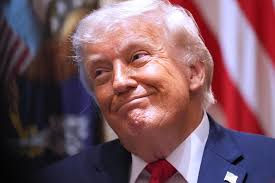
NEW YORK — US President Donald Trump has rejected Iran’s latest proposal to reopen the Strait of Hormuz within days, signalling that Washington is not prepared to ease pressure on Tehran without broader concessions on security and nuclear issues.
Iranian officials said this week that Tehran had submitted a plan through mediators to restore normal maritime traffic through the strategic waterway, which carries a major share of the world’s oil and liquefied natural gas shipments. A senior Iranian official told Reuters that Iran was ready to reopen the strait within a week if the United States reduced military pressure and lifted its blockade on Iranian ports.
Iranian Foreign Minister Abbas Araghchi said the proposal had been conveyed to Washington through Qatar and described it as a “concrete seven-day plan” that could allow normal passage to resume if the necessary conditions were met. Qatar has been one of the key mediators between the two sides during the months-long crisis.
But Trump, speaking during the United Nations General Assembly week, showed little interest in immediately reopening talks on Tehran’s terms. Reuters reported that the US president instead called for Iran’s complete economic isolation and said any diplomatic deal would be more likely after the US midterm elections in November.
The Strait of Hormuz has become the central pressure point in the nearly seven-month conflict between the United States and Iran. Tehran has asserted control over the waterway, disrupting Gulf energy exports and pushing shipping companies, insurers and oil traders to reassess routes through the region.
Oil markets reacted sharply to the possibility of a breakthrough earlier in the week. Barron’s reported that crude prices fell after news emerged that Iran was willing to reopen Hormuz within seven days, with Brent briefly dropping below $100 per barrel.
Washington, however, appears unwilling to treat the reopening of the strait as a stand-alone concession. The Trump administration has tied any settlement to wider demands, including limits on Iran’s nuclear programme, guarantees for shipping security and an end to attacks by Iran-aligned forces on regional energy infrastructure.
Iran, for its part, says the US must first show seriousness by reducing military deployments and ending what Tehran describes as an economic blockade. Iranian officials have used the UN General Assembly to consult with mediators and signal that diplomacy remains possible if Washington takes “concrete actions.”
The standoff has left Gulf states searching for alternatives. The Wall Street Journal reported that the Trump administration has proposed a multibillion-dollar fund to help rebuild damaged Gulf energy infrastructure and reduce reliance on the vulnerable Hormuz route.
For now, the dispute remains deadlocked. Iran is offering to reopen Hormuz quickly if pressure eases. Trump is insisting that pressure will remain until Tehran accepts broader US terms. The result is continued uncertainty over one of the world’s most important energy corridors.



















