TEHRAN — Iran is preparing a formal list of conditions for reopening the Strait of Hormuz, its top security official has said, as mediators intensify efforts to defuse a confrontation that has disrupted one of the world’s most important energy corridors.
Mohsen Rezaei, secretary of Iran’s Supreme National Security Council, said Tehran had been asked by mediating countries to state its terms for restoring normal passage through the strait. He said ending the regional war was among Iran’s conditions. Reuters reported that Rezaei also said Iran and Oman had discussed a shipping corridor through the waterway, with parts of the route running through Omani waters and parts through Iranian waters.
“The US must first take practical steps to fulfil Iran’s conditions, and then Iran will proceed to open the Strait of Hormuz,” Rezaei told Iran’s IRNA news agency.
His remarks came as Qatar’s prime minister visited Tehran for talks, following recent mediation efforts by Pakistan and Oman. Qatar’s Foreign Ministry said discussions included a temporary corridor through the strait and a joint project to clear mines from the waterway.
Iran has linked any reopening to wider concessions from Washington. A spokesperson for the Islamic Revolutionary Guard Corps said Tehran would not allow a full reopening unless the United States lifted its blockade of Iranian ports, removed sanctions and paid compensation for damage caused by the war. Al Jazeera has previously reported that Iranian officials also demanded the release of frozen assets and an end to US military threats.
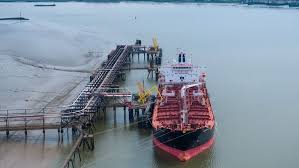
The strait, a narrow passage between Iran and Oman, is vital to global oil and liquefied natural gas shipments. Before the war, roughly a fifth of the world’s oil passed through the route, making any disruption a major concern for energy markets. The Associated Press reported that reopening Hormuz fully has become one of Washington’s main objectives, even as the Trump administration insists that the waterway is already open.
President Donald Trump has rejected the idea that Tehran controls the passage, declaring from the Oval Office that the strait is open and that US forces have cleared mines from the area. A White House spokeswoman said the naval blockade against Iran remained in force and that Washington was continuing what it called “Operation Economic Outcast” to cut off Iran’s remaining economic lifelines.
Despite Trump’s claim, maritime traffic has remained volatile. Reuters reported that shipping through the Strait of Hormuz recently fell below its 10-day average, while mediators pushed Tehran to restore freedom of navigation.
The dispute follows the collapse of a June memorandum of understanding under which Iran briefly reopened the strait while Washington was expected to ease its blockade and sanctions. Tehran later accused the US of violating the arrangement, while Washington reimposed pressure measures.
US officials say they are not planning talks unless Iran stops attacks on commercial shipping. Vice President JD Vance said Washington would not negotiate while Tehran continued targeting vessels in the strait.
For global markets, the standoff keeps energy prices vulnerable to sudden shocks. For mediators, the challenge is narrowing the gap between Iran’s demand for sanctions relief and compensation and Washington’s insistence that the strait must remain open without conditions.