Security concerns have intensified along the eastern flank of the NATO after a series of unidentified drone incursions were reported over parts of the Baltic region and Finland, prompting heightened surveillance and defensive readiness among frontline member states.
Authorities in the Baltic states—comprising Estonia, Latvia, and Lithuania—have confirmed recent sightings of unmanned aerial systems crossing sensitive airspace zones. Similar incidents have also been recorded in Finland, where officials say stray drones have triggered brief security alerts and monitoring operations near critical infrastructure.
While investigations are ongoing, defence officials across the region have not yet attributed the drones to any specific actor. However, the frequency of the incidents has raised concerns about airspace security, potential reconnaissance activity, and the vulnerability of border regions situated close to geopolitical flashpoints.
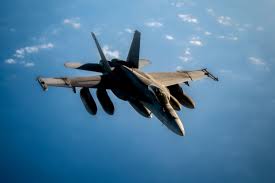
Military authorities in affected countries have increased radar tracking, aerial patrols, and coordination with NATO air policing missions in response to the sightings. The alliance has reiterated its commitment to protecting member airspace, stressing that any unauthorised intrusion is treated seriously and assessed in coordination with national defence agencies.
Officials also noted that the drones varied in size and flight patterns, suggesting a mix of possible civilian, commercial, or military-grade systems. However, the lack of clear identification has complicated efforts to determine intent or origin.
The developments come amid broader regional tensions, with NATO member states along the eastern frontier maintaining heightened alert levels in response to evolving security dynamics. Defence analysts say such incidents underscore the growing challenge posed by unmanned aerial technology, which can be difficult to detect, track, and neutralise.
Governments in the affected countries have urged calm while investigations continue, but have also warned that airspace violations will be met with appropriate defensive measures. Further assessments are expected as intelligence agencies work to determine whether the incidents are isolated events or part of a coordinated pattern.