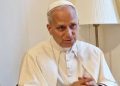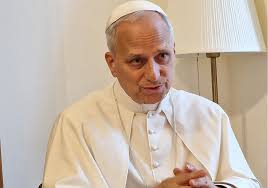
Pope Leo XIV has issued a formal apology for the Catholic Church’s historical involvement in slavery, acknowledging the suffering caused by the institution’s past actions and calling for renewed efforts toward justice and reconciliation.
In his first Papal encyclical, the Pope admitted that members of the Church had, at various points in history, supported or benefited from systems linked to slavery and human exploitation.
“We cannot ignore the painful truths of history,” Pope Leo said, stressing that the Church must confront its past with honesty and humility.
He described slavery as “a grave offense against human dignity” and expressed sorrow for the suffering endured by millions of Africans and their descendants through centuries of forced labour and oppression.
The pontiff also called on religious institutions, governments and societies around the world to continue addressing the long-term consequences of slavery, discrimination and inequality.
According to Vatican officials, the apology forms part of broader efforts by the Catholic Church to engage with historical injustices and strengthen dialogue with affected communities.
Church historians note that while some Catholic leaders opposed slavery over the centuries, parts of the institution were also connected to colonial systems that profited from the transatlantic slave trade.
The Pope urged Christians worldwide to promote compassion, equality and human rights, saying faith should never be used to justify oppression or exploitation.
Religious leaders and human rights groups welcomed the statement, describing it as an important symbolic step toward acknowledging historical wrongs.
Some activists, however, called for additional measures beyond public apologies, including educational initiatives and support for communities still affected by the legacy of slavery.
The Vatican said the Church remains committed to promoting peace, social justice and reconciliation across the world.
The apology comes amid increasing global conversations about colonialism, racial injustice and the role of religious and political institutions in historical systems of oppression.