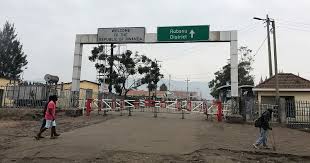
Traders in eastern Democratic Republic of the Congo have raised concerns over possible shortages of essential goods following new border restrictions introduced by neighboring Rwanda amid worsening regional tensions.
Business operators and transporters said the measures have slowed the movement of food items, fuel and consumer goods across key border crossings, threatening local markets that heavily depend on cross-border trade.
According to traders in the city of Goma and surrounding areas, supplies arriving from Rwanda have reduced significantly in recent days, leading to fears of rising prices and scarcity of basic commodities.
“We are already beginning to feel the impact,” one trader said, warning that continued restrictions could disrupt businesses and worsen living conditions for residents.
The border measures come against the backdrop of strained relations between the two countries, fueled by ongoing insecurity in eastern Congo and accusations surrounding the activities of armed groups operating in the region.
Transporters reported delays at checkpoints and tighter inspections, with some vehicles allegedly turned back or held for extended periods.
Local business associations warned that the restrictions could severely affect small-scale traders who rely on daily movement across the border to sustain their livelihoods.
Eastern Congo has long depended on trade links with Rwanda for access to agricultural products, manufactured goods and fuel supplies.
Economists say prolonged disruptions could trigger inflation in already vulnerable communities facing conflict, displacement and humanitarian challenges.
Authorities in both countries have yet to announce a full border closure, but traders fear the situation could deteriorate further if diplomatic tensions continue to rise.
Humanitarian organisations have also expressed concern that supply disruptions may affect access to food and essential services in conflict-affected areas.
Regional observers have called for dialogue between Kigali and Kinshasa to prevent further economic and humanitarian consequences.
The latest development adds to mounting instability in eastern Congo, where clashes involving armed groups have displaced thousands of people and strained relations between neighboring states.