The United Nations has mobilised emergency support measures as Ebola continues to spread in parts of the Democratic Republic of Congo (DR Congo), while Uganda has confirmed three additional cases, raising renewed concern over regional transmission of the deadly virus.
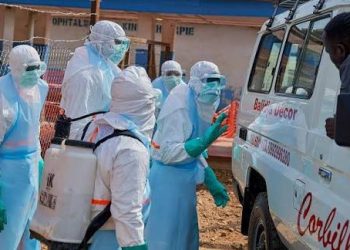
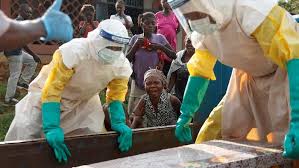
Health agencies under the UN system, working alongside national authorities and regional partners, have intensified response operations aimed at containing the outbreak, strengthening surveillance, and preventing cross-border spread. The intervention includes the deployment of medical teams, logistical support, and essential health supplies to affected areas.
In DR Congo, where Ebola outbreaks have repeatedly emerged over the years, authorities are working to contain new infections through contact tracing, isolation of suspected cases, and reinforcement of treatment centres. Public health officials have also stepped up community awareness campaigns to encourage early reporting of symptoms and adherence to preventive measures.
The situation has become more complex following Uganda’s confirmation of three new Ebola cases, signalling a potential risk of wider regional transmission given the movement of people across shared borders. Ugandan health authorities have activated emergency protocols, including heightened screening at entry points and expanded monitoring of high-risk communities.
The World Health Organization and other UN agencies are coordinating closely with both countries to ensure rapid containment efforts are sustained. Priority interventions include strengthening laboratory testing capacity, improving case management, and supporting vaccination campaigns where applicable.
Health experts warn that delayed detection and limited healthcare access in remote areas remain major challenges in controlling outbreaks. They stress that community cooperation, early diagnosis, and strict infection prevention practices are critical to breaking transmission chains.
UN officials emphasized that the emergency response is designed to prevent a broader regional health crisis, particularly in Central and East Africa, where previous Ebola outbreaks have had severe humanitarian and economic impacts.
Authorities in both DR Congo and Uganda have urged citizens to remain calm while strictly following public health guidance, including hygiene practices and reporting suspected cases promptly to health workers.
The renewed outbreak underscores ongoing vulnerabilities in regional health systems and highlights the importance of sustained international support in managing highly infectious diseases such as Ebola.
As response efforts continue, global health agencies say they are closely monitoring the situation to ensure swift containment and to prevent further spread across neighbouring countries.