COTONOU, Benin — Benin’s new president, Romuald Wadagni, was sworn in on Sunday with promises of stability, security and regional cooperation, but the presence of Nigerien Prime Minister Ali Mahamane Lamine Zeine drew particular attention as a possible sign of easing tensions between Cotonou and its Sahel neighbours.
Wadagni, a 49-year-old former finance minister, took office after winning the April 12 presidential election with more than 94 percent of the vote. He succeeds Patrice Talon, who stepped down after two terms, and is widely seen as a continuity candidate after helping drive Benin’s economic reforms over the past decade.
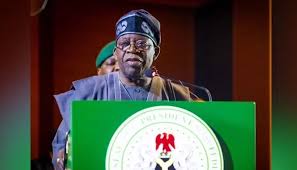
“I will serve Benin with integrity, courage and commitment,” Wadagni said in his inaugural address, adding that power “is never a personal privilege.” He also pledged to focus on jobs, social protection, basic services and improved living standards, while acknowledging the country’s worsening security challenges.
However, Zeine’s attendance gave the ceremony wider regional significance. Relations between Benin and Niger deteriorated sharply after Niger’s July 2023 coup, when Benin backed the Economic Community of West African States’ sanctions and hard line against the junta. Although regional sanctions were later lifted, border closures, accusations of hostile activity and disputes over the Niger-Benin oil pipeline deepened mistrust.
Speaking after the ceremony, Zeine suggested that both countries may be entering a new phase. “I see that a new path is opening,” he was quoted as saying, while stressing the need to strengthen ties and work together. Delegations from Mali and Burkina Faso, Niger’s partners in the Alliance of Sahel States, were also reported at the inauguration.
Wadagni used his speech to underline the importance of rebuilding cooperation with neighbouring countries. That message comes as Benin faces growing attacks in its northern regions blamed on jihadist groups spilling over from the Sahel. Reuters reported that Wadagni pledged firm action against insecurity while calling for closer regional cooperation with Niger, Burkina Faso and Mali.
The diplomatic gesture does not immediately resolve the disputes between Benin and Niger. The border issue, pipeline operations, security suspicions and diverging regional alliances remain sensitive. But analysts say Wadagni’s technocratic profile may give Cotonou an opportunity to reset relations without fully abandoning Benin’s commitments to ECOWAS and democratic norms.
For West Africa, the symbolism matters. At a time of coups, insurgencies and shifting alliances, Zeine’s presence in Cotonou suggests that practical concerns over trade, security and geography may be pushing strained neighbours back toward dialogue.