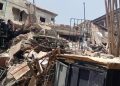
RABAT, Morocco — At least nine people have been killed after a residential building collapsed overnight in the Moroccan city of Fez, authorities said, prompting a rescue operation and a judicial investigation into the cause of the disaster.
The collapse happened in a densely populated area of Fez, about 200 kilometres east of Rabat. Local reports said the building was several storeys high and came down during the night, trapping residents under the rubble. Emergency crews were deployed to search for survivors, remove debris and secure the surrounding area.
Initial official figures had put the death toll at four, with six people injured, but the city’s prosecutor later said at least nine people had died and others were wounded. AFP later reported a higher toll of 15, citing a source from the public prosecutor’s office, though authorities described the figures as still preliminary.
Authorities have opened an investigation to determine what caused the collapse. As a precaution, residents of nearby buildings were evacuated over fears that other structures in the area could also be unsafe.
The incident has renewed concern over building safety in Fez, one of Morocco’s oldest and most historic cities. The city has suffered several deadly collapses in recent years, often linked to ageing buildings, unauthorised construction, overcrowding and weak enforcement of building regulations. In December 2025, two four-storey buildings collapsed in Fez, killing 22 people and injuring 16 others. Investigators at the time examined whether additional floors added to the structures may have contributed to the disaster.
Fez, known for its ancient medina and narrow residential districts, has long faced challenges linked to urban density and older housing stock. Many homes in historic and working-class neighbourhoods require structural repairs, but residents often lack the resources to relocate or renovate safely.
Moroccan authorities have previously warned about buildings at risk of collapse across several cities, particularly in older urban centres where informal additions and poor maintenance can weaken structures. Safety advocates say regular inspections, stricter enforcement and relocation support for vulnerable families are needed to prevent further deaths.
For families affected by the latest collapse, the priority remains recovering victims and treating the injured. But the tragedy is also likely to intensify pressure on local and national officials to address unsafe housing before another disaster strikes.