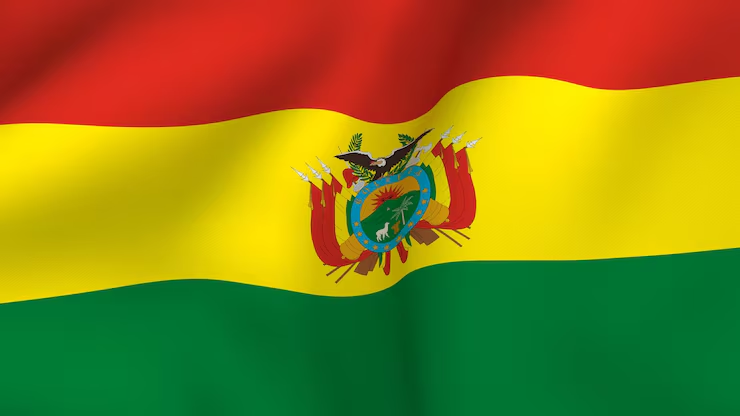
LA PAZ, Bolivia — Bolivia is facing one of its worst political and economic crises in years as nationwide protests, road blockades and shortages of basic goods intensify pressure on President Rodrigo Paz, who took office only six months ago.
Demonstrations that began in early May as strikes over fuel shortages, rising prices and austerity measures have grown into a wider anti-government movement involving labour unions, miners, transport workers, rural communities and farming groups. Some protesters are now openly demanding Paz’s resignation, accusing his administration of failing to protect ordinary Bolivians from the worsening cost-of-living crisis.
The unrest has hit the administrative capital, La Paz, especially hard. Road blockades have disrupted the movement of fuel, food, medicine and hospital oxygen, leaving the city under severe pressure. Reports say thousands of vehicles have been stranded on major highways, while hospitals and markets have warned of dwindling supplies. At least three people have reportedly died after medical access was delayed by the blockades.
The government said it would open “humanitarian corridors” in the La Paz department to allow essential goods, including food, medicine and oxygen, to pass through protest lines. Interior Minister Marco Antonio Oviedo said the operation would be peaceful and would involve support from the Red Cross and the Catholic Church.
The protests are rooted in Bolivia’s deepening economic troubles. The country has been hit by shrinking foreign reserves, falling natural gas exports, fuel shortages and inflation that has eroded household incomes. Paz’s decision to reduce fuel subsidies, amid higher global energy prices, has intensified public anger and raised transport costs across the country.
Paz has accused allies of former President Evo Morales and elements of the Movement Towards Socialism of trying to destabilise his government. Morales, once Bolivia’s dominant political figure, has denied responsibility for the unrest but remains a powerful symbol for some rural and labour groups opposed to the current administration.
The crisis has also drawn international attention. The United States and several regional governments have expressed concern over the unrest, while Argentina has reportedly helped airlift humanitarian supplies as shortages worsen.
For Paz, the challenge is growing more urgent. His government must restore supply routes and calm public anger without triggering further violence. But with protesters expanding their demands from economic relief to political change, Bolivia’s crisis is no longer only about prices and fuel. It has become a test of whether the new administration can survive mounting pressure from the streets.