

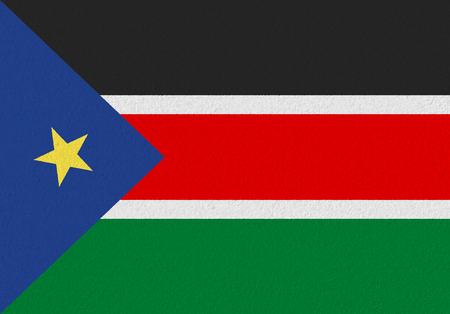
South Sudan has marked the 43rd anniversary of the founding of the Sudan People’s Liberation Army, SPLA, in the first major commemoration since the country’s 2013 civil war erupted between forces loyal to President Salva Kiir and those aligned with his longtime rival, Riek Machar.
The ceremony was held at the national stadium in Juba on Saturday, with President Kiir paying tribute to the fighters who launched the armed struggle in 1983. The founding of the SPLA marked the start of Sudan’s second civil war, a conflict that eventually led to South Sudan’s independence in July 2011.
“On this day, we remember the brave forces of Battalion 105, who fired the first bullet. And that began our revolution,” Kiir told the crowd. “As we mark the 43rd anniversary of our movement today, we also remember the sacrifices of our martyrs, who gave their lives during the long struggle.”
The anniversary came at a tense moment for the world’s youngest country. Renewed clashes between government forces and groups loyal to Machar have stirred fears of a return to full-scale civil war. Machar, who served as first vice president under the 2018 peace deal, was placed under house arrest in March 2025 and later suspended after being charged with murder, treason and crimes against humanity linked to a deadly militia attack. His SPLM/A-IO party has rejected the charges as a political witch-hunt.
Addressing the commemoration, South Sudan People’s Defence Forces chief Santino Deng Wol urged calm and promised to protect the country. “We don’t want random fighting,” he said. “I want to assure the people of South Sudan that I will provide you with security and protect our border.”
The 2013-2018 civil war between Kiir and Machar’s forces killed hundreds of thousands of people and displaced millions before a power-sharing agreement created a unity government. That deal has increasingly unravelled, with elections repeatedly delayed and opposition leaders accusing the government of undermining the peace process.
The SPLA anniversary was intended as a moment of national remembrance, but it also highlighted South Sudan’s unresolved political crisis. More than a decade after independence, the country remains caught between the legacy of its liberation struggle and the threat of renewed internal war.



















