Burundi’s opposition parties have raised fresh concerns over preparations for the country’s next presidential election, accusing the electoral commission of lacking the independence and credibility needed to organize a transparent vote.
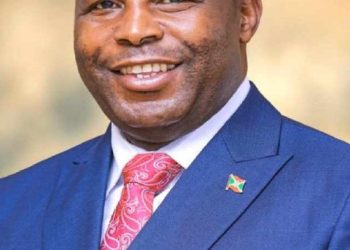
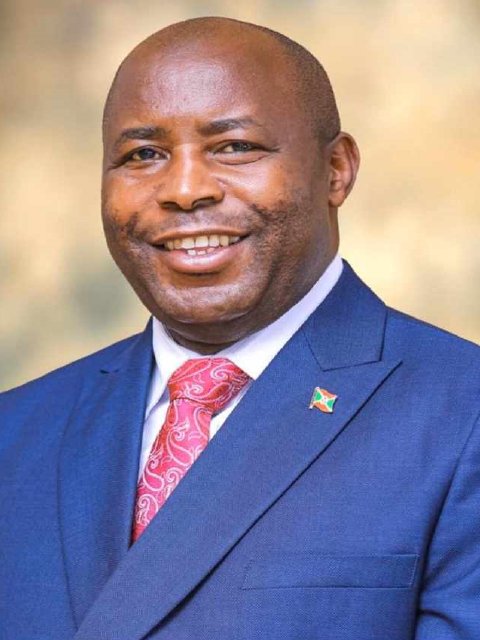
President Évariste Ndayishimiye, who has led the East African country since 2020, was named in April as the candidate of the ruling CNDD-FDD party. He is widely seen as the frontrunner in a political environment dominated by the ruling party, which has controlled Burundi’s institutions for years. Ndayishimiye took office after the death of longtime leader Pierre Nkurunziza and is serving under a constitution that allows presidents to hold up to two consecutive seven-year terms.
In a joint statement, opposition figures said the electoral commission, in both its “composition and conduct,” was not capable of organizing elections that meet basic standards of transparency and fairness. They argued that without inclusive political dialogue, preparations for the vote were “premature and inappropriate.”
The criticism reflects long-standing opposition distrust of Burundi’s electoral system. Rights and governance monitors have previously raised concerns about restrictions on political participation, media freedom and assembly. The BTI 2026 Burundi country report said the electoral commission had not demonstrated independence in handling voting irregularities, while CIVICUS reported that the 2025 legislative and local elections took place in a deeply repressive environment.
Burundi remains one of Africa’s poorest countries and continues to face fuel shortages, inflation, limited foreign currency and lingering political repression. Ndayishimiye has sought to present himself as a reform-minded leader compared with Nkurunziza, while also maintaining firm control over the state and reducing the influence of powerful generals.
The ruling CNDD-FDD has defended its choice of Ndayishimiye, saying he is best placed to continue its political program. After his nomination, the president pledged to strengthen the rule of law and promote sustainable development. Opposition voices, however, argue that his administration has failed to address poverty, shortages and democratic restrictions.
Final election results are expected on May 18, with the winner scheduled to be sworn in on June 18. If a second round is required, it will be held on June 1, with final results due on June 16.
The dispute sets the stage for a tense campaign, with the ruling party seeking continuity and the opposition demanding guarantees that the vote will not be shaped by intimidation, exclusion or institutional bias.