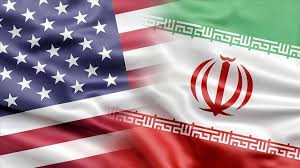
Iran issued a sweeping warning on Friday that tourist sites and public leisure spaces around the world could be targeted as the war with the United States and Israel entered its third week, raising fresh fears that Tehran could expand retaliation beyond the Middle East.
Iranian armed forces spokesperson Brig. Gen. Abolfazl Shekarchi said “parks, recreational areas and tourist destinations” worldwide would not be safe for Iran’s enemies, according to reporting carried by the Associated Press. The statement came as U.S. and Israeli strikes continued to hit targets inside Iran and as Tehran launched new missile and drone attacks toward Israel and Gulf states. The threat follows days of intensified targeting of senior Iranian officials. Israel has claimed it killed Iran’s intelligence minister, Esmail Khatib, in an overnight strike, a claim not confirmed publicly by Iran. Iran held funeral rites in Tehran on Friday for Khatib and his family, according to regional coverage.
In the United Arab Emirates, authorities acknowledged the closure of some Iran-linked institutions in Dubai under what they described as “targeted measures,” citing alleged misuse connected to the Iranian regime and the Revolutionary Guard. The Iranian Hospital—a long-running Dubai facility opened in 1972—was among those reported closed, alongside Iranian schools and social clubs. The broader regional atmosphere has been further inflamed by heightened security measures in Jerusalem during Eid al-Fitr. Turkey’s President Recep Tayyip Erdoğan said Israel was using the Iran war as a pretext to close the Al-Aqsa Mosque to worshippers, after Israeli restrictions prevented access during the holiday, according to reports.
Analysts have warned that, if Tehran concludes conventional retaliation is constrained, it could turn to asymmetric pressure—such as attacks or plots abroad—especially against officials or symbolic targets. Friday’s language from Shekarchi appeared aimed at reinforcing that deterrent message, though he did not specify locations or provide evidence of operational plans.
Meanwhile, reporting has highlighted uncertainty and opacity around battlefield damage inside Iran, with limited official detail released about the state of key weapons and energy infrastructure since the conflict began.