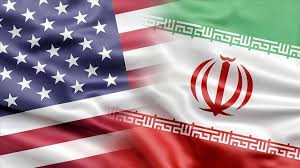
The United States is discussing a second round of peace talks with Iran in Pakistan and is optimistic about reaching a deal, the White House said on Wednesday, as diplomatic efforts intensify to end the Middle East conflict.
White House Press Secretary Karoline Leavitt told reporters that “discussions are being had” on further talks and said Washington “feels good about the prospects of a deal.” She added that any new round of talks would “very likely” take place in Islamabad. The remarks came after an earlier round of U.S.-Iran negotiations in Islamabad failed to produce an agreement. Those talks, facilitated by Pakistan, were aimed at easing hostilities and addressing major points of tension, including Iran’s nuclear programme, the Strait of Hormuz and wider regional security concerns.
Pakistan has emerged as a key mediator in the crisis. Its army chief, Asim Munir, travelled to Tehran for talks with Iranian officials as Islamabad pushed for another round of negotiations before the fragile ceasefire expires. Leavitt also denied reports that Washington had formally requested an extension of the current ceasefire, saying the administration remained focused on securing a broader agreement. She said no final arrangement had been confirmed, but maintained that the diplomatic process was moving in a positive direction.
The possible talks come amid heightened tension in the Gulf, where the United States has imposed a blockade targeting Iranian ports and coastal areas. Iran has condemned the move and warned that regional maritime security could be threatened if its own ports remain under pressure. The conflict has also disrupted global energy markets. The Strait of Hormuz, a crucial shipping lane for oil and gas, has remained central to negotiations after weeks of reduced traffic and rising concern among major energy importers.
While the White House has struck an optimistic tone, major obstacles remain. U.S. officials are pressing Iran over its nuclear programme and regional activities, while Tehran has demanded relief from military and economic pressure.