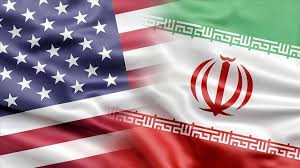
A fragile ceasefire between the United States and Iran appeared to be holding on Tuesday, despite renewed military tension in and around the Strait of Hormuz, the critical oil chokepoint through which roughly a fifth of global crude normally passes. The latest strains came after U.S. forces said they had fired on Iranian units and sank several small boats that were threatening civilian shipping as Washington sought to reopen the waterway.
The United Arab Emirates also said one of its ports had come under attack for the first time since the truce took effect in April, underscoring the volatility of the situation even as formal hostilities remain paused. Iran did not clearly confirm or deny responsibility. But Iranian Foreign Minister Abbas Araghchi warned on social media that both the United States and the UAE “should be wary of being dragged back into a quagmire,” suggesting Tehran was trying to signal resolve without explicitly claiming the strikes.
Despite the incidents, U.S. Defense Secretary Pete Hegseth said the truce remained in effect, even as the United States maintained pressure around the strait and Iran continued limited hostile actions. President Donald Trump has since ordered a temporary pause in the U.S. operation to guide stranded vessels through Hormuz, amid diplomatic appeals and fears of wider escalation. The latest flare-up highlights how easily the ceasefire could unravel, with both sides still testing each other militarily while avoiding a full return to war.