
The Trump administration is warning that the removal of Venezuelan leader Nicolás Maduro could advance a long-running U.S. objective: tightening the squeeze on Cuba’s communist government by cutting off a key economic lifeline from Caracas.
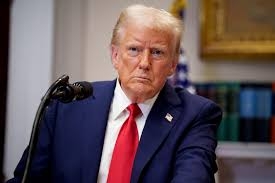
Speaking on Sunday, President Donald Trump said Cuba looked “ready to fall” without Venezuela’s backing, an assertion that follows Washington’s recent operation in Venezuela and the rollout of stepped-up measures to restrict Venezuelan oil flows. U.S. officials have increasingly framed the post-Maduro pressure campaign as targeting not only Caracas but also its regional allies, with the White House and senior figures arguing that Havana’s security and political influence have been sustained in part by Venezuelan support.
Over decades, Venezuela has supplied Cuba with subsidized fuel and other economic assistance. In the last three months, Maduro’s government shipped an average of 35,000 barrels of oil per day to Cuba—about a quarter of the island’s total demand, according to Jorge Piñón, a Cuban energy expert at the University of Texas at Austin Energy Institute. Cuban analyst and former diplomat Carlos Alzugaray said losing that support would be a major threat to Havana, though he expects Cuba to seek help from other partners, including China and Russia.
The prospect of tighter fuel supply is deepening anxiety in Cuba, where rolling blackouts and shortages of basic goods have already strained daily life. “We have to stand strong,” said Havana resident Regina Méndez, who told reporters she would fight if called upon.
Cuban President Miguel Díaz-Canel condemned the U.S. operation in Venezuela as “state terrorism” and called for an urgent international response, as regional allies warned that unilateral intervention could destabilize the hemisphere.
Complicating Washington’s pressure strategy, Mexico has emerged as a major supplier of crude to Cuba, and Mexico’s shipments have drawn criticism from Trump, who views them as undercutting the campaign to isolate Havana and Caracas. Analysts say the balance of Cuba’s survival may now hinge on how aggressively the U.S. enforces restrictions on Venezuelan exports—and whether alternative suppliers can cover the gap fast enough to prevent a deeper energy crunch.