TEHRAN, Iran — Iran says diplomatic efforts to end its conflict with the United States are continuing, but officials in Tehran have cautioned that no agreement has been reached and major differences remain unresolved.
Iranian state media quoted the Foreign Ministry as saying that talks mediated by regional partners are still under way, but that gaps between Tehran and Washington remain “deep and significant.” The statement appeared aimed at tempering growing speculation that a peace deal could be close after several days of intensified mediation.
The latest push came as Pakistan’s army chief, Field Marshal Asim Munir, arrived in Tehran on Friday for talks with Iranian officials. Pakistan has played a central role in shuttling proposals between the two sides, while Qatar has also sent mediators to Tehran in coordination with Washington.
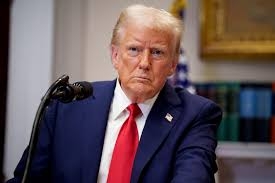
U.S. officials have struck a cautiously optimistic tone. Secretary of State Marco Rubio said there had been “slight progress” in negotiations, while President Donald Trump recently paused planned military action to give diplomacy more time. However, Washington has warned that any deal must address freedom of navigation through the Strait of Hormuz and Iran’s nuclear programme.
The Strait of Hormuz remains one of the most difficult issues in the talks. Iran has maintained tight control over the waterway since the war began, severely disrupting shipping through one of the world’s most important energy routes. The United States has rejected Iran’s proposal for a tolling or supervisory mechanism over the strait, arguing that it would threaten international navigation.
Tehran, meanwhile, is seeking sanctions relief, the release of frozen assets, an end to U.S. and Israeli military operations, and recognition of its security interests. Iran has also resisted U.S. demands for long-term restrictions on uranium enrichment and the removal or dismantling of key nuclear capabilities.
The talks are unfolding under pressure from Gulf states, which fear that renewed fighting could further damage energy infrastructure and destabilise regional markets. Qatar’s return to mediation is particularly significant because it had previously stayed back after Iranian attacks damaged its liquefied natural gas facilities.
Despite the renewed diplomatic activity, analysts warn that the risk of miscalculation remains high. Reuters reported earlier this week that the U.S.-Iran standoff has created a dangerous deadlock, with neither side willing to concede on core demands.
For now, Tehran’s message is clear: negotiations are active, but a breakthrough has not yet arrived.