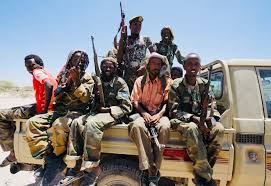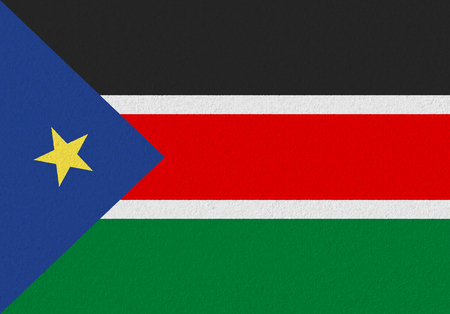
After years of postponements, South Sudan says it will proceed with long-delayed elections in December 2026, a move that would mark the country’s first national vote since independence in 2011. But the planned polls are unfolding against a backdrop of worsening insecurity, deep political mistrust and mounting warnings from diplomats and analysts that the world’s youngest nation could slide back into full-scale conflict. The election was postponed in September 2024 from December 2024 to December 22, 2026, with the presidency saying more time was needed to complete critical steps in the peace process.
The renewed anxiety stems from escalating tensions between forces loyal to President Salva Kiir and groups loosely aligned with First Vice President Riek Machar, his long-time rival in the civil war that ravaged the country from 2013 to 2018. Reuters reported in March 2025 that Machar’s SPLM-IO suspended participation in parts of the 2018 peace deal after clashes, arrests of allied officials and growing political friction with Kiir’s camp. The same report cited U.N. peacekeeping chief Nicholas Haysom as warning that South Sudan risked a return to civil war, with fighting in Upper Nile alone displacing about 50,000 people and driving at least 10,000 across the border into Ethiopia.
That fragile peace was secured under a 2018 agreement that ended five years of fighting between Kiir and Machar. The deal created a unity government and set out a roadmap to elections, but key provisions have remained largely unimplemented. Among the most critical outstanding obligations are the drafting of a permanent constitution, preparations for a credible electoral process and the unification of rival armed forces into a single national army. International peace guarantors have repeatedly said those failures underscore how unprepared the country remains for a free, fair and peaceful vote.
Despite the concerns, South Sudan’s government insists the elections must go ahead this year. Officials argue that a successful vote would complete the transition promised under the peace deal and confer democratic legitimacy on state institutions. Yet critics say the political and security environment is too unstable for a credible contest, warning that an election conducted without consensus, reforms and security guarantees could inflame rather than resolve tensions.
The broader national picture remains bleak. South Sudan is still battling extreme poverty, entrenched corruption and one of the world’s gravest humanitarian crises. Aid access has been repeatedly disrupted by violence, while instability has compounded disease outbreaks, displacement and food insecurity. For many observers, the central question is no longer simply whether elections will be held in December, but whether the country can avoid another descent into war before then.