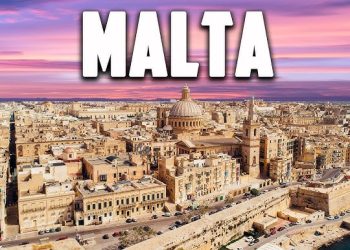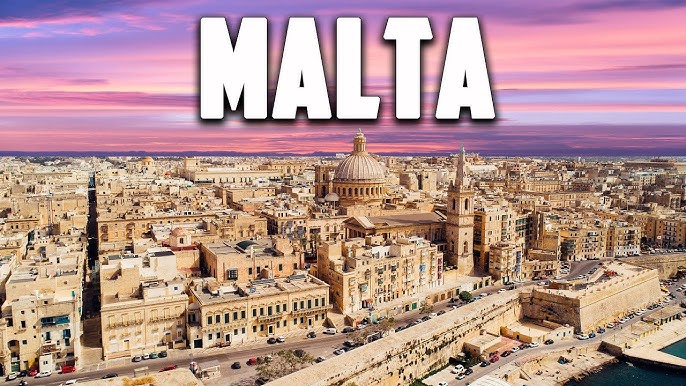
VALLETTA, Malta — Maltese voters went to the polls on Saturday in a snap parliamentary election called by Prime Minister Robert Abela, who is seeking a renewed mandate as fears grow that the Iran war could fuel inflation and weaken the island nation’s tourism-driven economy.
Abela called the election a year early, arguing that Malta needed political stability to navigate what he described as an uncertain international environment. His ruling Labour Party is favoured to win a record fourth consecutive term, according to opinion polls, extending its dominance after victories in 2013, 2017 and 2022.
Malta’s economy remains one of the strongest in the European Union. It grew by about 4 percent last year, with low inflation and virtually no unemployment. The government has also kept electricity and fuel prices frozen for much of the past decade, giving Maltese households some of the lowest energy costs in Europe.
But Abela has warned that the war in the Middle East could hit Malta hard. The country depends heavily on imports and tourism, leaving it exposed to higher aviation fuel prices, shipping costs and wider inflationary pressure. Labour has campaigned on economic competence, stability and its ability to shield citizens from external shocks.
The opposition Nationalist Party, led by Alex Borg, has argued that strong headline growth has not translated into a better quality of life. Borg has focused on rising rents, overcrowding, pressure on public services and infrastructure strains linked to Malta’s rapid population growth and reliance on migrant labour.
Corruption has also remained a major campaign issue. Labour’s long period in power has been marked by repeated criticism over governance, public contracts and accountability, while the Nationalists have tried to frame the vote as a chance to restore political trust.
Six parties are on the ballot, but Malta’s parliament has been dominated by Labour and the Nationalist Party since 1966. Smaller parties have historically struggled to cross the threshold of political relevance, usually winning less than 5 percent of the vote.
Turnout in Malta is traditionally high, often around 90 percent, reflecting the country’s deeply rooted two-party political culture. Results are expected around midday Sunday.
For Abela, the election is a bid to secure room to govern before global economic pressures worsen. For the opposition, it is a test of whether frustration over living costs, corruption and congestion can overcome Labour’s strong economic record.