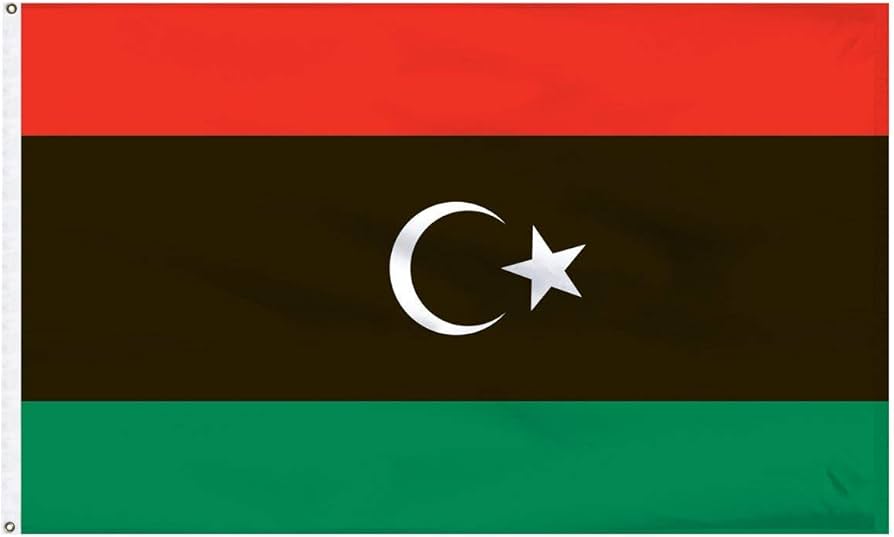
Libya’s Zawiya oil refinery has resumed full operations after armed clashes near the facility forced a temporary shutdown and raised fresh concerns over the country’s fragile energy infrastructure.
The Azzawiya Oil Refining Company said operations restarted after fighting that began on Friday prompted an emergency halt, the evacuation of tankers from the port and precautionary safety measures inside the oil complex. The refinery, located about 40 kilometres west of Tripoli, has a capacity of about 120,000 barrels per day and is the largest functioning refinery in Libya. It is also linked to the Sharara oilfield, one of the country’s most important production sites.
The operator said it had been forced to shut the plant after heavy shelling struck several locations inside the facility. Libya’s National Oil Corporation said high-calibre projectiles had landed in different parts of the complex, though it initially reported no major damage and said workers were safe. The NOC also said fuel supplies to Tripoli and surrounding areas were not affected.
The fighting spread into residential areas near the refinery, increasing fears of damage to the facility and nearby communities. Zawiya’s security directorate described the clashes as part of a security operation against “outlaws,” while unverified footage circulating online showed gunfire and unrest in the city.
The shutdown underscored the continuing vulnerability of Libya’s oil sector, more than a decade after the 2011 uprising that ousted Muammar Gaddafi. Since then, oil production and refining have repeatedly been disrupted by armed conflict, political rivalries, local protests and technical failures.
Zawiya has long been a flashpoint because of its strategic location on the coastal road linking Tripoli to Tunisia and its importance to fuel supply in western Libya. The city has seen repeated armed confrontations, some of which have forced road closures and threatened oil installations.
Although the refinery’s restart will ease immediate supply concerns, the incident highlights the risk that local clashes can quickly threaten national energy operations. For Libya, where oil remains the backbone of state revenue, keeping armed conflict away from critical infrastructure remains essential to economic stability and public safety.