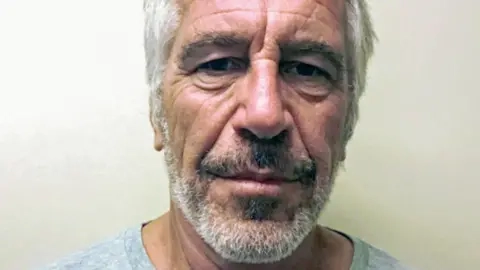
A U.S. federal judge has denied a motion to unseal grand jury materials related to the 2006 Florida investigation of Jeffrey Epstein, citing strict grand jury secrecy rules. Judge Robin Rosenberg ruled that despite widespread public interest, the documents could not be released under current federal appellate guidelines. The motion came as President Donald Trump faced increasing scrutiny over alleged links to Epstein. A Wall Street Journal report claimed Trump’s name was among those listed in the Department of Justice’s Epstein-related documents, though no wrongdoing was implied. The White House and Trump’s team dismissed the report as politically motivated.
Attorney General Pam Bondi, who had initially indicated major revelations—including client lists and flight logs—later reversed course, stating there was no incriminating list. Her backpedal sparked backlash from Trump supporters, some demanding her resignation. Despite Trump’s earlier campaign promise to release Epstein files, Bondi cited legal and privacy constraints, including sensitive material such as child pornography and victim identities.
Meanwhile, Ghislaine Maxwell, currently imprisoned for aiding Epstein’s abuse of minors, has been subpoenaed to testify before Congress on August 11. Her attorney stated she would cooperate truthfully if she chooses not to invoke her Fifth Amendment rights. However, House Speaker Mike Johnson questioned her credibility, citing her criminal record.
Efforts to compel the Justice Department to release more documents gained momentum in Congress, with bipartisan support emerging. A House Oversight Subcommittee voted to issue a subpoena for the records, but final approval rests with Committee Chair James Comer. The battle over transparency continues to fuel political tensions in Washington.