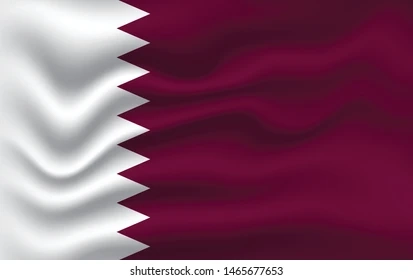
DOHA, QATAR — Tensions in the Middle East soared on Tuesday after an Israeli airstrike in northern Doha targeted senior Hamas political leaders residing in Qatar, sparking international outrage, regional fears of escalation, and raising serious questions about the fate of ongoing ceasefire negotiations.
According to Qatari authorities, the strike — dubbed “Operation Summit of Fire” by Israel — left five people dead, including four Hamas operatives and a Qatari Internal Security Force officer, while two individuals remain missing. The bodies of Humam al-Hayya (son of top Hamas negotiator Khalil al-Hayya), Jihad Labad, and two bodyguards have been confirmed among the dead. The whereabouts of al-Hayya himself remain unknown.
the first known Israeli strike on Qatari soil comes as Israel intensifies efforts to eliminate Hamas leadership, accusing Qatar of harbouring terrorists. In response, Israeli Prime Minister Benjamin Netanyahu declared:
“I say to Qatar and all nations who harbour terrorists: you either expel them or you bring them to justice. Because if you don’t, we will.”
Qatar, which has hosted Hamas’s political bureau since 2012 and serves as a mediator alongside the US and Egypt in ceasefire negotiations, condemned the strike as “state terror”. Prime Minister Sheikh Mohammed bin Abdul Rahman Al Thani warned that the action may have “just killed any hope” for the release of the 48 remaining hostages in Gaza, 20 of whom are believed to be alive.
The strike has also drawn swift condemnation from Arab states. The UAE President, Sheikh Mohammed bin Zayed Al Nahyan, made a solidarity visit to Doha, calling the Israeli action a “criminal attack” that jeopardizes regional security and peace. Saudi Crown Prince Mohammed bin Salman is expected in Qatar Thursday and has similarly described the attack as “brutal aggression.”
Meanwhile, US President Donald Trump, in a post on Truth Social, expressed deep dissatisfaction, stating:
“Unilaterally bombing inside Qatar, a sovereign nation and close ally… does not advance Israel or America’s goals. However, eliminating Hamas is a worthy goal.”
Trump confirmed he had instructed special envoy Steve Witkoff to inform Qatari officials, but that the message arrived too late — 10 minutes after the strike, according to Sheikh Mohammed.
The strike came as Hamas leaders were reportedly meeting to discuss a new US ceasefire proposal. The Qatari Prime Minister suggested the Israeli action was an attempt to sabotage peace efforts. He declined to confirm the status of Khalil al-Hayya, saying only there had been “no official declaration” yet. In contrast, Netanyahu claimed the strike could “open the door to an end of the war”, asserting Israel had accepted the latest US ceasefire proposal and urged civilians in Gaza to do the same.
The Hamas-run health ministry in Gaza now estimates over 64,000 deaths since Israel’s response to the 7 October 2023 Hamas-led attack that killed 1,200 people and saw 251 hostages taken. The recent Doha attack not only deepens the humanitarian crisis but also risks splintering the regional diplomatic architecture, where Qatar has played a central role.
Sheikh Mohammed confirmed his government is “reassessing everything”, including the presence of the Hamas office in Doha, and is in “detailed discussions” with the US. A regional summit in Qatar is reportedly in the works to coordinate a unified Arab response, signaling that the ramifications of the strike could extend far beyond Gaza or Doha