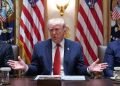
In a controversial move, U.S. lawmakers have voted to nullify California’s landmark law banning the sale of petrol-only cars by 2035. The Senate passed the measure following House approval, effectively stripping the state of its Environmental Protection Agency (EPA) waiver that had allowed stricter emissions rules than federal standards. The vote marks a significant political win for Republicans, fossil fuel interests, and car manufacturers, while delivering a blow to Democrats and environmental advocates. President Donald Trump is expected to sign the measure into law, setting the stage for a legal battle with California.
“This federal government overreach is illogical, politically motivated, and it comes at the expense of Californians’ lives and livelihoods,” said California Attorney General Rob Bonta, who vowed to sue. California’s plan, which would have required 35% of new car sales to be electric by 2026, was seen as a key step in combating climate change and curbing air pollution. Roughly a dozen states planned to adopt similar rules, representing over one-third of the U.S. auto market.
Critics of the ban argued the targets were unrealistic and would force manufacturers to buy costly emission credits from EV leaders like Tesla, diverting funds from their own electric vehicle development. Industry groups emphasized concerns with the mandate, not the technology. Meanwhile, environmental groups, like the Natural Resources Defense Council, condemned the decision. “If other states don’t like California’s approach, they don’t need to follow it—but federal lawmakers shouldn’t block states from choosing cleaner air,” said NRDC president Manish Bapna.
The measure passed the Senate 51-44, largely along party lines, despite warnings from the Government Accountability Office and the Senate parliamentarian that proper legislative procedures were not followed. With legal challenges looming, the fight over states’ rights to set environmental policy is far from over.