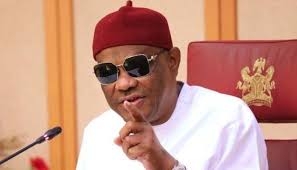
YAOUNDÉ, — Cameroon’s President Paul Biya has announced a fresh postponement of legislative and municipal elections, extending uncertainty over the electoral calendar just months after a disputed presidential vote. No new date was given. In a televised Youth Day address on Tuesday evening, Biya described the shift as a “slight readjustment” caused by “certain compelling constraints,” while insisting constitutional and legal provisions would be respected. The two polls were originally due in 2025, then pushed once to early 2026 before this latest delay.
The announcement comes in a sensitive political context. Biya, now nearly 93 and in power since 1982, was re-elected in October 2025 for an eighth term, a result contested by opposition groups that alleged irregularities and sparked unrest. State media framing emphasized continuity and legal compliance, but opposition and civil-society voices have long argued repeated timetable changes undermine confidence in the process, especially when no replacement date is provided. (Inference based on documented past criticism of postponements and current lack of a timetable.)
Biya also used the speech to acknowledge youth unemployment pressures while urging young people to avoid delinquency, substance abuse and overuse of social media. He said a new government would be formed after previously announcing cabinet dissolution in his New Year address.
Why this matters now: Cameroon’s legislative and municipal votes shape local governance, party infrastructure, and opposition visibility ahead of future national contests. Repeated deferrals risk reinforcing perceptions of a tightly managed political arena in which incumbency advantages deepen over time. (Inference.) What to watch next is procedural, not rhetorical: whether the presidency issues a formal decree setting a new electoral date, how ELECAM operationalizes it, and whether legal challenges emerge around mandate extensions for current officeholders.