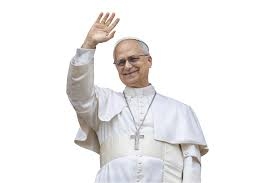
Vatican City — Pope Leo XIV has named Nigeria among a group of countries where Christians increasingly face discrimination and violent attacks, calling for global solidarity and urgent prayers for affected communities.
In a message shared on his official X account on Sunday, the pontiff expressed concern over recurring assaults on churches and Christian populations in several nations.
“I think especially of Bangladesh, Nigeria, Mozambique, Sudan, and other countries from which we frequently hear of attacks on communities and places of worship. God is a merciful Father who desires peace among all His children!” he wrote.
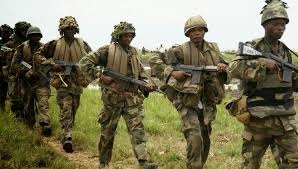
The pope’s remarks highlight mounting worries over religiously motivated violence and the targeting of houses of worship in parts of Africa and Asia. In recent years, Christian communities in Nigeria have repeatedly reported attacks on churches, clergy, and worshippers, alongside broader insecurity affecting many rural areas.
Pope Leo also drew attention to the plight of civilians in the Kivu region of the Democratic Republic of the Congo, where fresh massacres have been reported.
He appealed for prayers for the victims and their families, urging believers to reject violence and work together across denominational lines:
“Let us pray that all violence may cease and that believers may work together for the common good.”
The pontiff’s comments echo long-standing concerns raised by international observers about religious freedom in Nigeria. The text references a previous move by former US President Donald Trump, whose administration re-designated Nigeria as a “country of particular concern” (CPC) over alleged religious persecution.
The Nigerian federal government has consistently rejected that classification, insisting that the country remains a secular state where freedom of worship is protected by law. Authorities maintain that many of the security challenges facing religious communities stem from wider issues such as terrorism, farmer–herder clashes, and banditry, rather than state-sponsored persecution.
Still, Pope Leo’s message places renewed moral pressure on governments and faith leaders in the affected countries to address violence against religious communities and protect the right to worship without fear.
His call comes against a backdrop of rising global concern over attacks on churches, mosques, synagogues, and other religious sites, and growing appeals from religious and civil society groups for stronger international action to safeguard vulnerable populations.