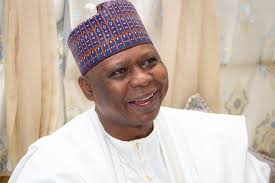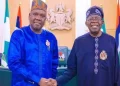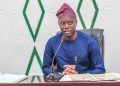


Kano State Deputy Governor Aminu Abdussalam Gwarzo has resigned from office amid mounting impeachment pressure from the State House of Assembly, deepening the political turmoil triggered by the state’s recent realignment from the New Nigeria People’s Party to the ruling All Progressives Congress. The resignation was confirmed on Friday by the Kwankwasiyya Movement, which said the decision was taken in the interest of stability and orderly governance in the state.
In a statement issued through its spokesperson, Habib Mohammed, the movement said Gwarzo’s resignation should not be interpreted as an admission of guilt. Rather, it described the move as an act of statesmanship aimed at avoiding further tension at a time when the deputy governor’s ability to fully discharge his responsibilities had been constrained by political developments. The group added that Gwarzo remained convinced of his innocence and would now devote more time to rebuilding the Kwankwasiyya Movement ahead of the 2027 general elections.
The resignation followed an impeachment notice earlier issued by the Kano State House of Assembly over allegations of misappropriation. Gwarzo had sought judicial intervention to halt the process, but a Federal High Court in Kano declined to stop the impeachment proceedings, clearing the way for the crisis to intensify. His eventual exit from office appears to have averted what was shaping up to be one of the state’s most consequential political showdowns in recent years.
The development comes against the backdrop of a broader political rupture in Kano. Governor Yusuf, who was elected in 2023 on the NNPP platform, formally resigned from the party in January and subsequently joined the APC, citing internal crises and the need to protect the state’s interests. His defection was followed by similar moves by lawmakers and political allies, while Gwarzo was widely seen as remaining closer to the Kwankwasiyya bloc led by Rabiu Musa Kwankwaso.
That split has increasingly defined Kano politics in recent weeks. Reports indicated that Gwarzo was absent from key government meetings and had become a focal point in the struggle between the governor’s new political direction and forces still loyal to Kwankwaso. Analysts and local reports have linked the impeachment drive to that wider battle over loyalty, succession and control ahead of 2027.
By stepping down, Gwarzo may have reduced the immediate risk of a bruising constitutional confrontation between the executive and legislature. But his resignation is also likely to deepen questions about the future of the Kwankwasiyya Movement in Kano and the durability of Yusuf’s new alliance with the APC. With the deputy governorship now vacant and political realignments accelerating, the state’s power struggle appears far from over.