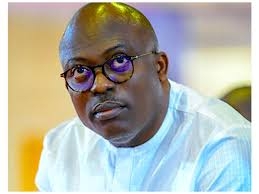
In a major development for Rivers State politics, Governor Siminalayi Fubara is poised to return to office within three weeks, following a prolonged political standoff and six months of emergency rule. The anticipated return comes as stability begins to take shape in the state, following successful local elections and high-level reconciliation talks.
The state of emergency was declared by President Bola Ahmed Tinubu in March 2025 after escalating political unrest between Governor Fubara and key figures in the state legislature, as well as a widely reported fallout with his political benefactor, Nyesom Wike, who currently serves as the Minister of the Federal Capital Territory.
During the crisis, the President appointed Vice Admiral Ibok-Ete Ekwe Ibas (retd.) as Sole Administrator of Rivers State, suspending the governor, his deputy, and the entire House of Assembly. This move, while controversial, was intended to restore calm and governance following months of power tussles and public protests.
Fast forward to August 2025, signs of normalcy have begun to emerge. The Rivers State Independent Electoral Commission (RSIEC) successfully conducted local government elections, and key government agencies have resumed full operations. Most importantly, sources close to both Wike and Fubara have confirmed that a political truce has been reached behind closed doors.
As part of the peace agreement, Governor Fubara is expected to return to power by mid-September. In preparation, there have already been subtle shifts in his cabinet. Close aides such as Chief of Staff Edison Ehie and Secretary to the State Government Tammy Danagogo have been reportedly dropped, a move seen by analysts as part of efforts to appease aggrieved factions and reduce internal friction.
Speaking to the media, Minister Nyesom Wike hinted that the coast is now clear for Fubara’s return, especially after the peaceful conclusion of the local polls. He emphasized that stability has returned to Rivers and assured residents that the handover from Administrator Ibas to Fubara will be smooth.
Despite this progress, some factions within Fubara’s support base remain skeptical. They had earlier boycotted the local elections, calling them unconstitutional due to the governor’s suspension. However, observers say most Rivers residents are eager to move past the political impasse and return to governance and development.
Upon his return, Governor Fubara will face the challenge of rebuilding trust, bridging political divides, and delivering on his campaign promises. Analysts suggest that how he manages this next phase will determine his long-term political relevance and legacy.