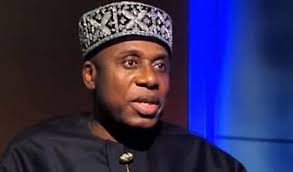
Former Rivers State governor and ex-Minister of Transportation Rotimi Amaechi has pledged to replace Nigeria’s indigeneship system with a citizenship-based structure if elected in 2027, arguing that all Nigerians should enjoy equal rights regardless of where they reside.
Amaechi made the declaration during a political engagement on Wednesday, where he spoke on national unity, governance and constitutional reforms ahead of the next general election.
According to him, the current indigeneship arrangement has continued to promote discrimination, exclusion and division across the country, preventing many Nigerians from accessing opportunities outside their states of origin.
“I’ll replace indigeneship with citizenship,” Amaechi said, insisting that every Nigerian should be treated equally in any part of the country without being classified as a “settler” or “non-indigene.”
He argued that the reform would encourage national integration and reduce ethnic tensions, adding that Nigerians who live, work and pay taxes in any state should enjoy the same privileges as those regarded as natives of the area.
The former minister said the issue has affected employment opportunities, political participation and access to social services for millions of citizens over the years. He maintained that a citizenship-driven framework would strengthen national identity and create a more inclusive society.
Amaechi also criticised what he described as the politicisation of ethnicity and regional identity, warning that the country cannot achieve meaningful development if citizens continue to face discrimination based on origin.
Political observers view the statement as part of broader efforts by the former governor to position himself in ongoing discussions surrounding the 2027 presidential race and constitutional reforms.
His remarks have already generated reactions across political and civil society circles, with supporters describing the proposal as a bold step toward national cohesion, while critics argue that implementing such reforms would require major constitutional amendments and extensive political consensus.
The debate over indigeneship and citizenship rights has remained a longstanding issue in Nigeria’s political and constitutional discourse.