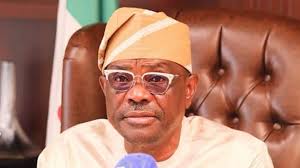
ABUJA, Nigeria — The Nigeria Police Force has opened an investigation into the alleged unauthorised access and disclosure of voter information from the Independent National Electoral Commission’s database, leading to the arrest of an INEC official and the questioning of Lere Olayinka, media aide to the Minister of the Federal Capital Territory, Nyesom Wike.
Senior police sources said operatives of the Force Intelligence Department–Intelligence Response Team are probing allegations of database misuse, cyber-related offences and the unlawful release of sensitive electoral records. An INEC electoral officer, whose identity has not been disclosed, has reportedly been taken into custody, while Olayinka was questioned on Tuesday at the Police Headquarters in Abuja.
The investigation followed a petition said to have been filed on behalf of INEC, alleging criminal conspiracy, cyber intimidation and unauthorised disclosure of classified electoral documents. The controversy began after Olayinka posted screenshots on social media allegedly showing details of Nollywood actor and politician Emeka Ike’s voter registration transfer from Imo State to the Federal Capital Territory.
In the post, Olayinka questioned Ike’s eligibility and political standing after the actor indicated interest in contesting a House of Representatives seat for the AMAC/Bwari Federal Constituency. The screenshots sparked public concern because users said they appeared to carry markings from INEC’s internal administrative platform, raising questions over how the information was accessed.
INEC said preliminary findings from its audit trail showed there was no external breach, hacking incident or unauthorised external access to its ICT infrastructure. The commission said investigators had identified the user account through which the information was accessed, suggesting the case involved alleged misuse of valid internal credentials rather than a large-scale cyberattack.
The Department of State Services has also reportedly opened a parallel investigation into the circumstances surrounding the disclosure. Police are said to be considering possible charges, including criminal conspiracy, cyber-related offences, unlawful disclosure of classified information and conduct capable of causing a breach of public peace.
The incident has intensified concern over the security of Nigeria’s voter data ahead of the 2027 elections. Opposition figures and civil society groups have urged INEC to provide a full explanation and reassure the public that sensitive voter records cannot be accessed or weaponised for political attacks.
For INEC, the case is a test of internal controls and public trust. For investigators, the immediate task is to determine who accessed the records, whether the disclosure was politically motivated and whether any electoral laws or data-protection rules were violated.