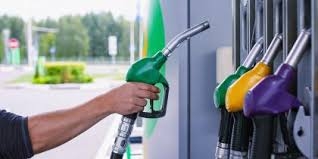
Nigeria’s petrol consumption has dropped by a staggering 28%, a development that has left many pump attendants idle across fuel stations nationwide. This revelation, backed by recent industry data and field reports, marks a significant shift in Nigeria’s fuel usage patterns following the removal of petrol subsidies and rising cost of living.
According to a recent analysis by the Nigerian Midstream and Downstream Petroleum Regulatory Authority (NMDPRA), daily petrol consumption has reduced from an average of 66.7 million litres per day to about 47.3 million litres. This represents a dramatic 28% decline compared to figures recorded before the subsidy removal in May 2023.
Experts attribute the drop to a combination of factors including:
- Soaring pump prices, which have risen from ₦185 per litre to between ₦590 and ₦650 per litre in many parts of the country
- Reduced vehicle usage, especially among private car owners and transport operators
- Increased adoption of alternative energy sources, such as Compressed Natural Gas (CNG) and solar-powered solutions
Moving forward, the impact is clearly visible on the ground. Across major cities such as Lagos, Abuja, Port Harcourt, and Kano, pump attendants have reported drastically lower customer turnout, with many saying they now serve fewer than half the number of vehicles they used to attend to daily.
At a popular station in Ikeja, Lagos, an attendant, Bimpe Ojo, told reporters: “Before, I used to serve up to 200 customers daily. Now, I’m lucky if I serve 70. Many people now buy in small quantities like ₦1,000 or ₦2,000 worth.”
Similarly, in Abuja’s Wuse District, another attendant confirmed that sales volumes have dipped, leaving many pump workers on reduced hours or without shifts altogether.
The downturn in petrol sales is beginning to have ripple effects across the downstream oil sector. Independent marketers are reporting lower revenues, some of which are resulting in temporary shutdowns, workforce reductions, and delayed product restocking.
Industry watchers warn that unless petrol becomes more affordable or alternative transport solutions become mainstream, job losses in the downstream sector may increase. Additionally, reduced fuel sales could lead to lower tax revenues for the government, especially from fuel levies and associated VAT.
In response, energy policy experts are urging the Federal Government to accelerate investments in public transportation, CNG infrastructure, and renewable energy adoption to cushion the impact of high fuel prices on consumers and businesses.
They also stress the need for targeted fuel subsidies for public transport operators to ensure affordability and prevent further economic hardship for low-income earners.