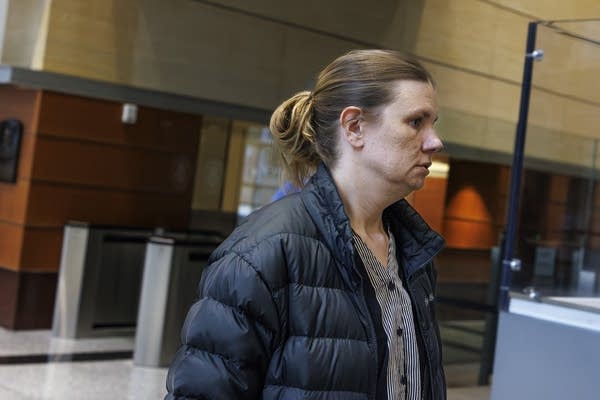
MINNEAPOLIS — The former head of a Minnesota nonprofit at the centre of one of the largest pandemic-era fraud cases in the United States has been sentenced to nearly 42 years in prison for her role in a $250 million scheme involving federal child nutrition funds.
Aimee Bock, 45, who led the nonprofit Feeding Our Future, was sentenced to 41 years and eight months by U.S. District Judge Nancy Brasel. Prosecutors said Bock orchestrated a wide-ranging conspiracy that falsely claimed to provide meals to children during the COVID-19 pandemic, while participants diverted public funds for personal use.
The case centred on federal money intended to feed low-income children when schools and community programmes were disrupted during the pandemic. Prosecutors said Feeding Our Future sponsored dozens of meal-distribution sites that submitted inflated or fabricated claims for reimbursement. In many cases, investigators said the meals were never served or the number of children fed was grossly exaggerated.
Bock was convicted of conspiracy, wire fraud, bribery and money laundering-related offences. Prosecutors had asked for a 50-year sentence, describing her as the driving force behind what the U.S. Justice Department has called the largest known fraud involving pandemic relief funds. Judge Brasel said Bock sat at the “epicentre” of the scheme, which led to charges against more than 70 people.
Authorities said the stolen money was used to buy real estate, luxury vehicles, jewellery, travel and other personal items. Federal investigators have been working to recover assets tied to the case, though officials say only a fraction of the stolen funds has been recouped.
During sentencing, Bock became emotional and accepted responsibility, according to Reuters. Her defence argued that the sentence sought by prosecutors was excessive, but the court imposed one of the harshest punishments so far in the sprawling investigation.
The Feeding Our Future case has also brought scrutiny to state oversight. Critics have questioned why the Minnesota Department of Education did not detect or stop suspicious claims earlier, although state officials have said federal rules during the emergency limited their ability to halt payments without sufficient evidence.
The sentencing came as federal authorities announced charges against 15 more people in separate alleged fraud schemes involving Minnesota Medicaid and social service programmes, valued at more than $90 million.
Prosecutors said the sentence sends a warning that large-scale theft of public funds, particularly money meant for vulnerable children, will carry severe consequences.