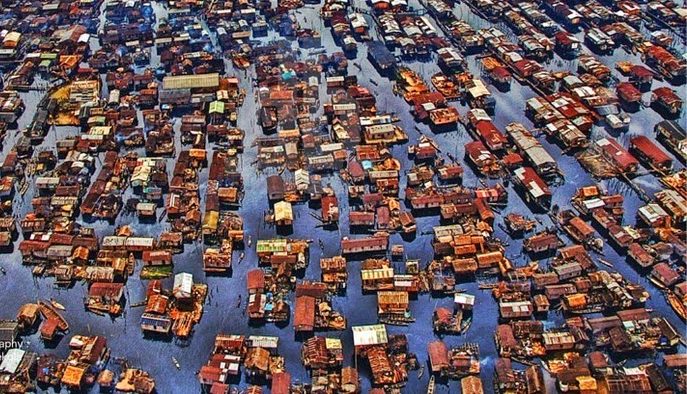
LAGOS, Nigeria — Human rights lawyer Femi Falana has raised concerns that police may have fired expired teargas canisters during last week’s protest against demolitions and forced evictions in Makoko, after visiting injured demonstrators receiving treatment at Lagos State University Teaching Hospital.
The protest — organised by activists Taiwo Hassan (popularly known as “Soweto”) and Dele Frank — was aimed at drawing attention to alleged unlawful demolitions in waterfront settlements. Witnesses and organisers said the march was initially peaceful but became chaotic after police fired teargas, leaving multiple people injured.
Falana, speaking during his hospital visit, described the injuries he saw as “unusual,” arguing that the policing of the protest violated constitutional rights to peaceful assembly and expression. He said organisers had notified the police and were escorted for part of the route before the confrontation, and called for scrutiny of the teargas used, citing the severity of wounds on at least one patient.
The Lagos State Government, however, defended the demolition exercise, saying the removals were motivated by public safety concerns. At a joint briefing in Alausa, Commissioner for Information Gbenga Omotoso said many wooden structures along the waterfront were located beneath high-tension power lines, describing them as hazardous. Special Adviser on E-GIS and Urban Development Babatunde Olajide said the state’s actions were part of a wider safety programme and that an enumeration process was underway, adding that displaced residents would be compensated.
The dispute has now moved to the legislature. The Lagos State House of Assembly has invited leaders of Makoko and neighbouring waterfront communities to a meeting on Tuesday, Feb. 3, 2026, after receiving a petition over demolitions and evictions, according to letters signed by the Clerk, Olalekan Onafeko.
Separately, the Centre for Human and Socio-Economic Rights, led by Alex Omotehinse, renewed calls for independent investigations into past killings tied to demolition-related unrest, including the Owode Onirin incident, and demanded compensation and restoration for affected communities.