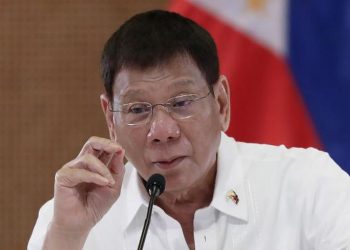
President of the ECOWAS Court of Justice, Justice Ricardo Gonçalves, has called for deeper cooperation between national judiciaries and the regional court to improve justice delivery and strengthen the rule of law across West Africa.
He made the call in Monrovia, Liberia, during the opening session of the ECOWAS Court’s Outreach Programme, which brought together senior government officials, lawmakers, judges, Bar Association members, civil society organisations and the media.
Justice Gonçalves said the outreach initiative forms part of the court’s broader strategy to raise awareness about its mandate, jurisdiction and procedures, while fostering direct dialogue with key judicial and civic stakeholders in the region.
He described the ECOWAS Court of Justice as a central pillar of regional integration, responsible for interpreting and applying Community law and protecting the rights of citizens in member states. He noted that the court’s human rights jurisdiction, in particular, has become “a beacon of hope for victims of violations” across West Africa.
“Through its decisions, the court has advanced access to justice, strengthened democratic governance, and provided redress in cases of human rights violations,” he said.
However, the ECOWAS Court President expressed concern over the persistent non-compliance of some member states with the court’s judgments, as well as the perception in some national courts that the regional court is encroaching on their jurisdiction.
He stressed that the ECOWAS Court “fully respects the sovereignty of Member States and the authority of their domestic judicial systems,” explaining that its role is complementary rather than competitive.
“The court adjudicates cases involving the international responsibility of Member States under Community law—it does not replace national courts,” he clarified.
Justice Gonçalves commended Liberia for its cooperation and leadership, noting that the country is among the few ECOWAS members that have ratified all key protocols establishing and expanding the court’s jurisdiction, including its human rights mandate.
To deepen collaboration, he proposed regular judicial dialogues, research partnerships with universities and legal institutes, capacity-building programmes for judges and lawyers, and intensified engagement with civil society, women’s groups and youth organisations to raise awareness about regional justice mechanisms.
“The ECOWAS Court of Justice is a Court of integration, not intrusion; a Court of cooperation, not competition,” he stated, adding that through sustained dialogue and partnership, the court can remain “a guardian of rights and a pillar of regional integration for generations to come.”