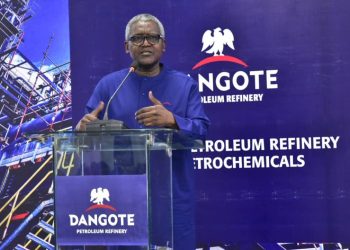
Dangote Petroleum Refinery has filed a fresh lawsuit against the Federal Government over fuel import licences issued to petroleum marketers, escalating tensions in Nigeria’s downstream oil sector as domestic refining capacity expands.
The suit, filed at the Federal High Court in Lagos, seeks to overturn import permits issued or renewed by the Nigerian Midstream and Downstream Petroleum Regulatory Authority, NMDPRA, for the importation of Premium Motor Spirit, also known as petrol. Court documents cited by Reuters show that the refinery is challenging licences granted to marketers and the Nigerian National Petroleum Company Limited, arguing that the approvals breach an earlier order to maintain the status quo.
The latest case follows the issuance of fresh import licences to major petroleum marketers despite an earlier regulatory pause on new petrol import permits. Industry reports said the approvals covered between 600,000 and 720,000 metric tonnes of petrol and involved companies including NIPCO, AA Rano, Matrix Energy, Shafa Energy, Pinnacle Oil and Gas, and Bono Energy.
Dangote Refinery argues that continued fuel importation violates the Petroleum Industry Act, which permits imports only when local production is insufficient. The company maintains that new import approvals undermine domestic refining, discourage investment and risk returning Nigeria to dependence on foreign fuel supplies.
The dispute comes after official data showed a sharp reduction in petrol imports earlier this year. Reuters reported in March that NMDPRA issued no petrol import licences in February, while domestic supply from local refineries rose, signalling a policy shift toward prioritising local output.
NMDPRA data also indicated that Dangote Refinery had become the dominant petrol supplier, with reports saying it supplied more than 90 percent of Nigeria’s daily petrol consumption. The refinery had earlier said it was ready to deliver 1.5 billion litres of petrol monthly, with output expected to rise further in 2026.
The import licence dispute has divided stakeholders. Supporters of the licences argue that imports preserve competition, prevent supply shortages and protect consumers from monopoly pricing. Critics say unrestricted importation could weaken local refineries, drain foreign exchange and undermine Nigeria’s energy-security goals.
Aliko Dangote has repeatedly accused entrenched fuel import interests of trying to frustrate the refinery. In a recent interview, he said Nigeria had spent decades exporting crude and importing refined products, while subsidy-era traders, shippers and importers profited from a system that produced long fuel queues despite the country’s oil wealth.
The case has been adjourned to June 25 for preliminary issues, according to local reports. Its outcome could shape the future of fuel importation, domestic refining policy and competition in Nigeria’s deregulated petroleum market.