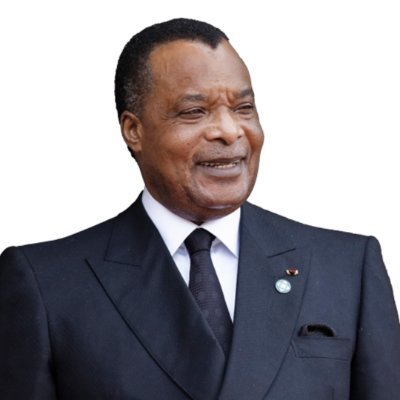
BRAZZAVILLE — Supporters of President Denis Sassou Nguesso took to the streets on Tuesday after Congo-Brazzaville’s interior ministry announced provisional results showing the veteran leader had won a fifth term with 94.8% of the vote, extending his rule — spanning most of the period since 1979 — by another five years. Interior Minister Raymond Zéphyrin Mboulou, speaking on state television, said turnout was 84.65%, a figure that surprised some observers after Reuters reported visibly thin crowds at polling stations in parts of the capital on election day. Final results must still be validated by the Constitutional Court.
Sassou Nguesso, 82, faced six challengers widely described by diplomats and analysts as little-known, in an election that unfolded in a restricted political environment. Reuters noted that several opposition parties boycotted the vote, while prominent opposition figures were either imprisoned or in exile, limiting the competitiveness of the contest.
The poll was also overshadowed by a nationwide internet blackout reported on election day, raising fresh concerns about transparency and access to information. Africanews cited internet monitoring group NetBlocks as saying connectivity dropped sharply during the vote, echoing similar disruptions reported during the 2021 election. Opposition voices and civil society groups swiftly challenged the credibility of the outcome. First-time candidate Destin Gavet condemned what he described as irregularities and criticised the communications shutdown, while NGO Global Participate’s executive director Ivan Ngoy called the vote a setback for democracy.
A citizen observation mission linked to civil society platform CAPGED said it documented “numerous irregularities” and concluded the election was “neither fair, nor free, nor transparent.” CAPGED spokesperson Bertrand Menier derided the process as a “Nintendo election,” arguing the declared results did not reflect reality. Sassou Nguesso’s government has previously rejected allegations of bias and repression, insisting electoral institutions are credible and that the vote reflected the will of Congolese citizens. However, rights groups and opposition politicians have long argued that political space has narrowed in recent years.
With provisional results now announced, attention turns to the Constitutional Court’s validation process and whether challengers pursue formal complaints — even as critics say the broader political conditions make meaningful contestation difficult.