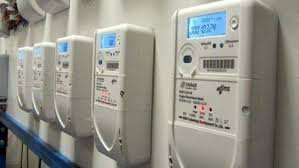
The World Bank has confirmed that it will continue supporting electricity metering initiatives in Nigeria, even after reducing or restructuring its broader financing exposure to the country’s power sector.
The clarification comes amid reports of a cut in parts of the institution’s power sector loan commitments, raising questions about the future of ongoing electricity infrastructure funding. However, the global lender has maintained that its intervention in metering programmes remains a priority area aimed at improving efficiency and accountability in the Nigerian electricity supply chain.
According to the institution’s position, metering support is considered critical to addressing longstanding challenges in the sector, particularly revenue collection inefficiencies, estimated billing disputes, and commercial losses experienced by electricity distribution companies. The programme is designed to ensure that more consumers are equipped with functional prepaid or smart meters, enabling accurate measurement of electricity consumption.
The decision to retain metering support, despite adjustments in wider power sector lending, reflects a targeted approach to improving financial sustainability within the electricity market. Officials familiar with the development say the focus is now shifting toward reforms that can yield immediate operational improvements rather than broad infrastructure financing alone.
Nigeria’s power sector has continued to struggle with liquidity constraints, weak transmission capacity, and inconsistent revenue inflows, all of which have affected service delivery across the country. Metering gaps remain one of the most persistent issues, with millions of consumers still billed through estimated usage.
The World Bank’s continued backing of metering initiatives is expected to complement ongoing reform efforts by the Federal Government of Nigeria, which has repeatedly emphasized the need to close the metering deficit and improve transparency in electricity billing.
While the reduction in broader power sector lending signals a more cautious financing stance, development experts argue that sustained investment in metering could help stabilize revenues, reduce disputes between consumers and distribution companies, and strengthen investor confidence in the sector.
Stakeholders say the effectiveness of the initiative will ultimately depend on implementation speed, regulatory enforcement, and the ability of local power utilities to integrate new metering systems into their operations.