The U.S. Department of Health and Human Services (HHS) confirmed the first human case of the travel-associated New World screwworm, a flesh-eating parasite, on Sunday. The patient, who had traveled to El Salvador, was diagnosed after returning to the U.S. The case was investigated by Maryland health officials in partnership with the CDC and confirmed on August 4, according to HHS spokesperson Andrew G. Nixon.
Earlier reports from industry sources indicated the case involved a Maryland patient who had visited Guatemala. Nixon did not address this discrepancy but assured that the public health risk in the U.S. remained low.
To date, no animal cases of screwworm have been reported in the U.S. this year. The conflicting reports have sparked concern in the cattle industry, which has been on alert due to the parasite’s spread from Central America and southern Mexico. U.S. officials have been actively working to prevent infestations, including the announcement of a sterile fly facility in Texas to combat the pest.
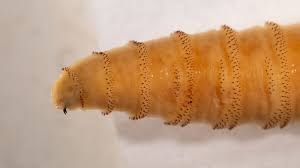
Screwworm larvae, which are known to infest open wounds on warm-blooded animals, can cause severe damage and death if untreated. Though rare in humans, the condition can be fatal without proper care. Treatment involves removing larvae and disinfecting wounds.
In response to the confirmed case, the Beef Alliance informed industry members that patient privacy laws limited the available details. The individual was treated and preventive measures were taken in Maryland. The case adds pressure on the agricultural sector, already dealing with the effects of border closures aimed at preventing the screwworm’s entry from Mexico.
A source familiar with the situation said the CDC had not been forthcoming about the case, and state veterinarians had to seek information themselves. Despite this, the likelihood of a wider market impact remains low, according to industry insiders.