Questions over the handling of Super Eagles players’ entitlements have resurfaced, with reports that members of Nigeria’s squad are still waiting for their bonuses for finishing third at the 2025 Africa Cup of Nations in Morocco.
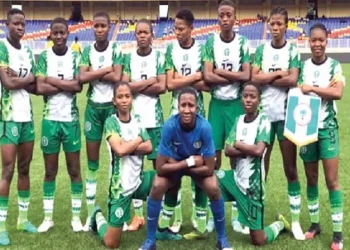
The outstanding sum is reportedly $17,500 for each player who took part in the tournament. The payment relates to Nigeria’s bronze-medal match against Egypt in Casablanca on January 17, 2026, which ended goalless before the Super Eagles won 4–2 on penalties.
Nigeria’s victory secured the country’s ninth AFCON bronze medal. The result was a consolation after the team failed to reach the final, but the reported delay in paying the players has now become a separate issue for football administrators.
Reports indicate that the bonus remains unpaid despite assurances and expectations that the players would receive their entitlements. The precise reason for the delay has not been clearly established in a detailed public explanation from the relevant authorities.
The issue is not limited to the bronze-medal payment. Players are also reportedly unhappy about reductions in allowances for recent international matches, which they say were made without adequate communication. These complaints have added to wider concerns about how the Nigeria Football Federation (NFF) manages the team’s welfare.
The latest dispute follows another bonus controversy during AFCON 2025. In January, reports emerged that players were considering withholding training and delaying travel to Marrakech for their quarter-final against Algeria because payments for four earlier matches were outstanding.
National Sports Commission chairman Shehu Dikko said at the time that the tournament budget had been approved and that payments were being processed. The Federal Government also announced that group-stage bonuses had been released. Those assurances concerned the earlier payments and do not independently confirm that the later bronze-medal bonus was settled.
The reported delay has also drawn attention because the NFF was said to have received the funds intended for the bronze-medal bonuses. That claim has not been accompanied by a comprehensive public account showing when the money was received, how it was handled or why the players have reportedly not been paid.
The issue has resurfaced after Nigeria’s mixed start to the 2027 AFCON qualifying campaign. The Super Eagles beat Madagascar 2–1 in Uyo but then suffered a 3–0 defeat to Guinea-Bissau in Bissau. Players and the coaching staff also raised concerns about the poor condition of the pitch during the latter match.
There is no confirmed evidence that the bonus dispute alone explains the team’s performances. However, unresolved payment issues can create avoidable tension between players and administrators, particularly when financial commitments are not clearly explained.
The immediate question is when the outstanding money will reach the players. A clear statement from the NFF and the relevant government authorities would help establish the payment’s status and address concerns about accountability and the welfare of Nigeria’s senior national team.