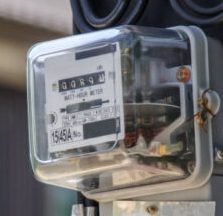
Nigeria’s ambitious plan to distribute 3.2 million prepaid electricity meters to consumers under the federal-backed Meter Asset Provider (MAP) and National Mass Metering Programme (NMMP) is facing severe setbacks, an investigation has revealed. Despite promises of improved transparency and accelerated deployment, millions of Nigerians continue to endure long waits, poor service, and in some cases, overnight vigils just to obtain a meter.
Background: A Promise Delayed
Initially launched to eliminate estimated billing and enhance power sector efficiency, the metering program was hailed as a transformative solution. In 2020, the federal government set a target to install 6 million meters over several years, with 3.2 million meters scheduled for nationwide distribution in the most recent phase.
However, investigations conducted across multiple states—including Lagos, Abuja, Rivers, and Kaduna—show that the process has not only stalled but has become an agonizing experience for consumers. Instead of walking into distribution offices and getting metered swiftly, many Nigerians now queue overnight or sleep outside vendor offices, hoping to secure the elusive prepaid devices.
Why the Delay?
Several key factors have contributed to the growing crisis. To start with, logistical failures and poor coordination among distribution companies (DisCos), vendors, and regulatory bodies have slowed the rollout. According to sources within the Nigerian Electricity Regulatory Commission (NERC), some DisCos failed to properly account for previously allocated meters, thereby affecting the credibility of the distribution process.
Secondly, a worsening foreign exchange crisis has impacted the importation of metering components. Despite Nigeria’s push for local production, the majority of components still rely on international supply chains, which have become increasingly expensive due to the naira’s sharp depreciation.
In addition, corrupt practices have reportedly infiltrated the system. Some vendors are allegedly prioritizing meter allocation to customers who pay bribes or unofficial charges, defeating the purpose of the government-subsidized initiative. This has further fueled public outrage and distrust in the process.
Citizens Speak Out
Speaking to our reporters, several frustrated citizens shared harrowing experiences. In Abuja, 42-year-old trader Bukola Adebayo said, “We’ve been here since 10 p.m. yesterday. They said only 20 meters will be given out today, and over 200 of us are on the list.”
Another resident in Port Harcourt noted, “I’ve paid since March, yet no meter. They keep telling us to come back or wait for a text message that never comes.”
What’s Next?
In response to growing public outcry, NERC has pledged to launch a thorough audit of the metering programs, promising to hold accountable any party found guilty of mismanagement or fraud. However, for millions of Nigerians still waiting, these assurances may sound all too familiar.
Ultimately, the 3.2 million prepaid meter scheme, once seen as a beacon of hope for electricity consumers, is now marred by delays, corruption, and logistical chaos. Until concrete actions are taken to resolve these systemic issues, the dream of eliminating estimated billing may remain just that—a dream.