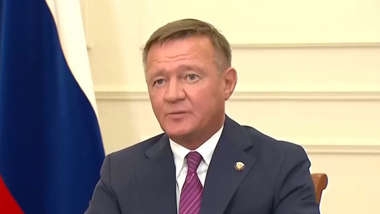
Russia began the week with political upheaval and shock following the sudden dismissal and subsequent death of Transport Minister Roman Starovoit. Just hours after President Vladimir Putin removed him from office, Starovoit was found dead with a gunshot wound to the head in a Moscow park, with investigators suggesting suicide.
The death has stirred widespread speculation in the Russian press, particularly due to Starovoit’s previous role as governor of the Kursk region, a border area with Ukraine. During his tenure, millions were spent building defensive fortifications, which failed to prevent Ukrainian incursions. Corruption charges have since been filed against his successor and deputy, raising the possibility that Starovoit feared becoming the next target of prosecution. The Kremlin’s official response has been muted. Putin’s spokesman, Dmitry Peskov, acknowledged the shock but urged patience until investigations conclude. Russian state media barely covered the minister’s death, reflecting tight control over public messaging.
Analysts, including Nina Khrushcheva, liken the event to the Stalinist era, noting that Starovoit’s apparent suicide reveals the fear and hopelessness faced by officials caught in today’s system. The implication is that resignation from high office no longer ensures safety—a stark contrast to earlier periods when officials could quietly exit power with their wealth and freedom intact. The event has sent ripples through Russia’s political elite, serving as a grim warning: falling out of favour now carries existential risk in a system increasingly marked by fear, secrecy, and authoritarian control.