

LISBON, Portugal
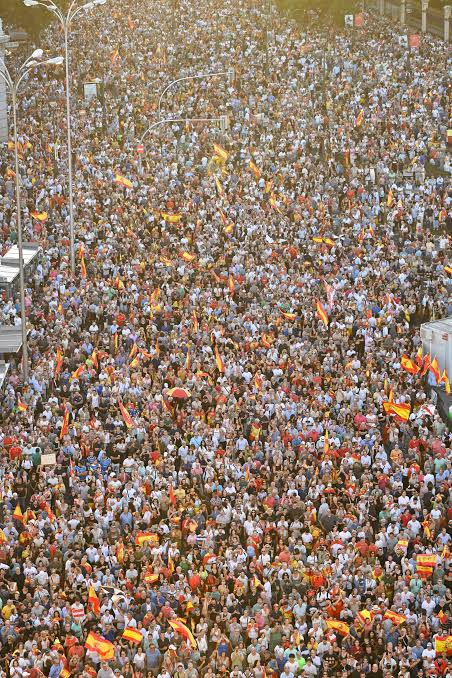
Tens of thousands of demonstrators have taken to the streets across Portugal, demanding urgent government intervention to address soaring housing costs, rising rents and growing difficulties faced by ordinary citizens trying to secure affordable accommodation. The nationwide protests, held on Saturday, November 14, spread across more than 30 cities and towns, including Lisbon, Porto, Coimbra, Braga, Faro and Portimão. Organised by the Casa Para Viver (A Home to Live In) movement, the demonstrations were the largest yet in a series of housing protests that have intensified across the country in recent weeks.
Protesters marched through major streets carrying banners, chanting slogans and calling for stronger tenant protections, restrictions on rent increases and expanded public housing programmes. The movement, which brings together approximately 100 housing associations and grassroots organisations, also demanded the reversal of recent changes to rental legislation. Campaigners argue that the changes could weaken tenants’ rights and make evictions easier at a time when housing affordability is already deteriorating.
In Lisbon, demonstrators of different ages gathered amid music, drumming and chants, expressing frustration over a housing market increasingly beyond the financial reach of many residents. The crisis has been particularly severe for young workers and low-income households struggling with wages that have failed to keep pace with property prices. According to European Union statistical agency Eurostat, Portugal recorded a 61 percent increase in its house-price-to-income ratio between 2015 and 2025, the sharpest rise among EU member states.
Government figures also indicate that residential property prices increased by almost 20 percent between the first quarters of 2025 and 2026, while rents have risen approximately 68 percent since 2020. Housing activists blame speculation, foreign investment, tourism and the conversion of residential properties into short-term holiday accommodation for worsening the shortage. Prime Minister Luís Montenegro’s government has introduced measures aimed at increasing housing supply, including tax reductions for new construction and restrictions on short-term rentals.
Authorities have also pledged to build 145,000 new homes, although officials acknowledge that the benefits will take time to materialise. Meanwhile, President António José Seguro has held discussions with housing campaigners and convened an advisory meeting to examine the growing crisis. Saturday’s demonstrations followed several weeks of protests, including temporary encampments established by activists in Lisbon and Porto. Some earlier gatherings were dispersed by police, prompting accusations of excessive force.
The movement has also drawn inspiration from similar housing protests in neighbouring Spain, reflecting wider concerns across Europe over affordability and the cost of living. Organisers insist that further government action is necessary to prevent rising housing costs from deepening inequality and forcing residents out of their communities. For thousands of Portuguese citizens, the central demand remains unchanged: access to affordable housing must be treated as a fundamental social priority rather than an increasingly unattainable privilege.



















