

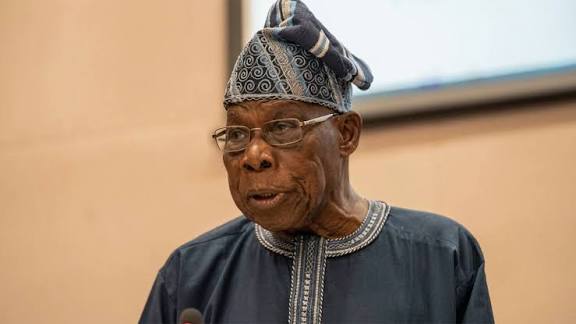
Former President Olusegun Obasanjo has blamed poor leadership, widespread poverty and growing insecurity for the dangerous journeys some Nigerians undertake in search of better opportunities outside the country.
Obasanjo said many Africans were leaving their countries under difficult circumstances because governments had failed to provide the security, employment and living conditions needed for people to build decent lives at home.
He spoke on Saturday, November 7, during a panel discussion titled “Lest We Forget” at the Creative Africa Nexus Weekend 2026 in Lagos, an event organised by the African Export-Import Bank.
The former president expressed concern that young people were increasingly finding it difficult to secure employment despite obtaining university qualifications.
He argued that the shortage of jobs, combined with worsening economic conditions, was leaving many people frustrated and uncertain about their future.
Obasanjo recalled his return to Nigeria in 1959 after completing military training in Britain, describing a period when travelling through the northern part of the country did not involve the security fears experienced today.
He questioned how the country had reached a point where kidnapping and other violent crimes had made travelling dangerous in several areas.
The former president also spoke about the connection between unemployment and criminal activities, drawing on his encounters with Nigerians arrested for drug-related offences.
He recalled meeting an individual who claimed to have entered the illegal drug trade after losing his job.
Obasanjo used the account to explain how economic hardship could push some people towards desperate decisions, while stressing the need for governments to address the underlying problems.
On migration, he recounted discussions with Africans who had attempted to reach Europe by crossing the Sahara Desert and the Mediterranean Sea.
He expressed concern about the dangers associated with these routes, including the deaths of migrants who never reached their destinations.
According to him, the situation reflects deeper problems of governance and economic opportunity across the continent.
Obasanjo maintained that African governments must take greater responsibility for improving citizens’ welfare instead of allowing difficult living conditions to continue driving people away.
He also called for stronger cooperation among African countries, particularly in making travel and movement across the continent easier.
The former president disclosed that he had discussed a possible visa arrangement with Ghanaian President John Mahama involving about 25 African countries operating visa-on-arrival systems.
He suggested that such cooperation could encourage broader freedom of movement and strengthen connections between African nations.
Obasanjo further advocated easier access to citizenship for members of the African diaspora interested in returning to settle on the continent.
The discussion also covered slavery, colonialism, reparations and the importance of maintaining closer relationships with Africans living abroad.
For Obasanjo, reducing dangerous migration requires more than discouraging people from leaving. He believes governments must tackle insecurity, expand employment opportunities and improve the conditions that make migration appear necessary.



















