

ST JOHN’S, Antigua and Barbuda
Commonwealth leaders have welcomed Britain’s agreement to enter formal discussions over the historical consequences of the transatlantic slave trade, marking a significant diplomatic development in longstanding demands for recognition, justice and accountability.
The announcement followed the conclusion of the Commonwealth Heads of Government Meeting (CHOGM) in Antigua and Barbuda on Wednesday, November 4.
In their final communiqué, leaders of the 56-member organisation welcomed the United Kingdom’s commitment to structured, inclusive and time-bound discussions with countries and communities affected by the trafficking and enslavement of Africans.
Commonwealth Secretary-General Shirley Botchwey described the agreement as an important opportunity to address historical injustices through constructive engagement.
The development follows years of pressure from African and Caribbean nations seeking acknowledgment of Britain’s central role in the transatlantic slave trade and its lasting social and economic consequences.
Antigua and Barbuda’s Prime Minister Gaston Browne said the framework for negotiations could be established before the end of 2026 or early in 2027.
He expressed hope that meaningful discussions would take place within the next 12 months.
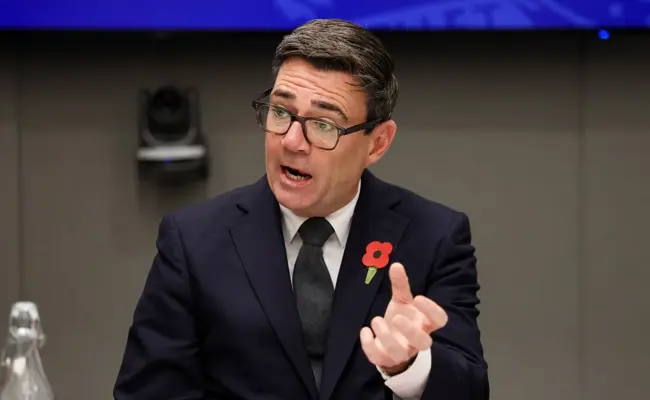
British Prime Minister Andy Burnham, who attended the summit alongside King Charles III, signalled his government’s willingness to consider issuing a formal apology for Britain’s involvement in slavery.
However, Burnham maintained that his administration would not support direct financial reparations.
British Foreign Secretary Ed Miliband reinforced that position, arguing that financial compensation was neither practical nor feasible.
Instead, the British government proposed alternative measures, including debt restructuring arrangements to ease financial pressure on developing Commonwealth countries.
Burnham also announced £40 million in funding over three years to support infrastructure investment, including renewable energy projects in the Caribbean.
During the summit, King Charles III acknowledged the suffering caused by slavery, describing it as a shameful period in history and expressing profound personal sorrow.
However, the monarch stopped short of offering a formal apology on behalf of the British state.
Caribbean governments have consistently argued that the consequences of slavery extend beyond historical suffering, citing persistent inequalities, economic disadvantage and the need for reparatory justice.
The Commonwealth communiqué also recognised initiatives by the African Union and Caribbean Community to advance discussions on historical justice and cultural restitution.
Despite the diplomatic progress, fundamental disagreements remain over the meaning of reparations and the responsibilities of former colonial powers.
No financial compensation agreement has been reached, and the precise timetable for negotiations remains under discussion.
For Commonwealth nations seeking historical accountability, Britain’s willingness to participate in formal talks represents an important step, although whether those discussions produce an apology or concrete remedies remains uncertain.



















