

JOHANNESBURG, South Africa
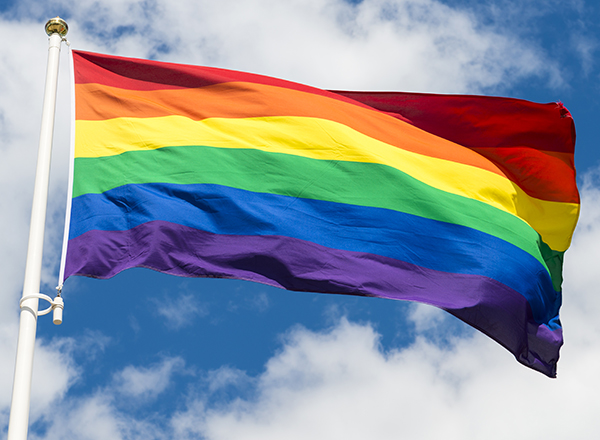
Hundreds of people marched through Johannesburg’s Sandton district on Saturday, October 31, waving rainbow flags and celebrating LGBTQ+ rights in one of Africa’s most prominent annual Pride events.
The colourful procession brought together members of South Africa’s LGBTQ+ community, human rights advocates, international visitors and supporters, transforming the city’s financial district into a celebration of diversity, acceptance and freedom of expression.
Participants dressed in elaborate costumes, carried banners promoting equality and marched through the streets accompanied by music and dancing.
While international reports described hundreds of people joining the procession, local media reported thousands attending the wider celebrations. No independently verified final attendance figure was available.
The annual Johannesburg Pride event, organised by the Pride of Africa LGBTQ Foundation, has become a major gathering for campaigners promoting equal rights across the continent.
This year’s celebrations centred on the message of safety, justice and equality, highlighting the importance of protecting LGBTQ+ communities from discrimination and violence.
One participant, Patrick Smit-Stachowski, told the Associated Press that concerns over transgender rights in the United States had motivated him to attend.
Other participants described the celebration as an opportunity to express their identities openly and stand alongside people facing prejudice.
The march began near Katherine Street at approximately 2 p.m., following a planned route through central Sandton.
Johannesburg Metropolitan Police officers coordinated road closures and traffic diversions to accommodate the event.
South Africa occupies a distinctive position in African LGBTQ+ rights.
Its 1996 Constitution explicitly prohibits unfair discrimination based on sexual orientation, making it the first country to establish such protection constitutionally.
In 2006, South Africa also became the first African country to legally recognise same-sex marriages through the Civil Union Act.
However, campaigners maintain that legal protections have not eliminated harassment, discrimination and threats against LGBTQ+ people.
Across several African countries, same-sex relationships remain criminalised, making public demonstrations of LGBTQ+ identity difficult or dangerous.
Organisers emphasised that Johannesburg Pride extends beyond its annual parade, with initiatives supporting entrepreneurship, professional development and community empowerment.
The 2026 programme included an empowerment summit and other activities designed to strengthen opportunities for LGBTQ+ individuals. For many participants, the gathering represented both a celebration of decades of progress and a reminder that equality requires continued attention. As rainbow flags filled the streets of Sandton, Johannesburg Pride once again provided a public platform for visibility, solidarity and calls for greater acceptance throughout Africa.



















