

AMMAN/DAMASCUS
Jordan has launched retaliatory airstrikes against suspected militant positions in southern Syria following a deadly attack on a Christian church, with Syrian authorities reporting that at least eight civilians, including three children, were killed in the bombardment.
The Jordanian military confirmed Monday’s operation, saying its fighter jets targeted hideouts belonging to armed groups allegedly linked to the October 23 attack on a Greek Orthodox church in Karak, southern Jordan.
The church shooting, which occurred during a funeral service, left nine people dead and dozens injured, prompting widespread condemnation and a promise of decisive action from King Abdullah II.
According to Jordan’s armed forces, the airstrikes destroyed militant facilities and vehicles, killing or wounding several suspected fighters. However, the military did not identify the targeted organisations or provide independently verifiable casualty figures.
Syrian authorities disputed Jordan’s account, reporting civilian casualties in the southern provinces of Daraa and Sweida.
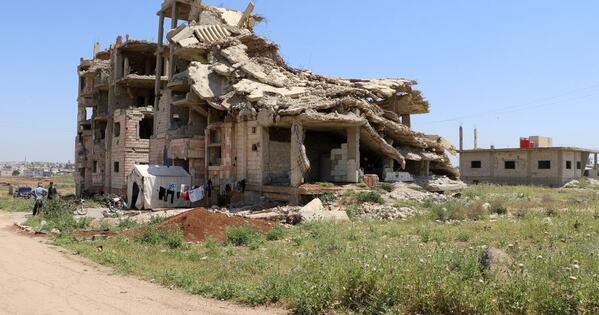
Syria’s civil defence agency initially confirmed seven deaths, including five members of one family killed when an airstrike hit a tent in rural Daraa.
Health officials subsequently raised the death toll to eight, including an elderly man and three children, with four others reportedly injured.
Damascus also rejected Jordan’s assertion that the operation had been coordinated with Syrian authorities, insisting that the strikes occurred without prior notification or approval.
The Syrian government condemned the attacks and opened communication channels with Amman, calling for improved security cooperation while defending its territorial sovereignty.
The escalating confrontation comes after Jordanian security forces arrested three suspects connected to the church shooting.
Authorities identified the detained men as two brothers and their brother-in-law, who were wounded during a gunfight with security personnel before being taken into custody.
Jordan’s security officials described the suspects as religious extremists but said investigations had not established direct membership in an organised militant group.
No organisation has publicly claimed responsibility for the church attack.
Following the bombardment, Syria announced the closure of its main border crossing with Jordan, raising concerns about regional security and cross-border movement.
The violence has heightened tensions between the neighbouring countries, which share a lengthy frontier affected by smuggling and militant activity.
Jordanian authorities maintain that the operation was necessary to address security threats, while Syrian officials demand accountability for civilian deaths.
With investigations continuing on both sides, international attention is turning towards preventing further escalation and protecting communities along the border.



















