

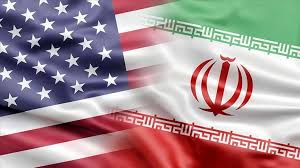
TEHRAN, IRAN — Iranian President Masoud Pezeshkian has accused the United States of undermining a previous agreement aimed at ending the war involving Iran, Washington and Israel, while urging renewed diplomatic efforts amid growing fears of another round of military attacks.
Speaking in remarks broadcast on Iranian state television on Saturday, October 24, Pezeshkian blamed Washington for the collapse of negotiations but maintained that both countries should return to the negotiating table.
“We were having negotiations, the cowards (Americans) messed everything up,” Pezeshkian said, adding that he still believed efforts should continue to conclude an agreement.
His comments followed renewed warnings from US President Donald Trump, who suggested on Friday that Washington could launch another military operation against Iran.
Trump referred to the possibility of another limited offensive under Operation Epic Fury, the codename associated with the US-Israeli military campaign launched against Iran on February 28.
The remarks heightened fears of renewed fighting following months of unsuccessful diplomatic negotiations and disputes over an earlier interim agreement.
That arrangement, signed in June following Pakistan-mediated discussions, was intended to halt military operations and establish a framework for a lasting settlement.
However, disagreements quickly emerged over compliance, sanctions relief, the US naval blockade and the reopening of the strategically important Strait of Hormuz.
Washington accused Tehran of violating the agreement, while Iranian authorities insisted that the United States had failed to honour its commitments.
The diplomatic breakdown has left both governments maintaining sharply different positions over the conditions necessary for ending the conflict.
Meanwhile, Iran’s Islamic Revolutionary Guard Corps warned that even limited American attacks would trigger retaliation considerably greater than previous responses.
Iranian government spokesperson Fatemeh Mohajerani reaffirmed Tehran’s willingness to pursue peace but warned that the country would defend itself against further military action.
The escalating rhetoric comes as regional mediators, including Pakistan and Qatar, intensify efforts to prevent another confrontation.
American military deployments to the Middle East have also increased concerns about possible renewed hostilities.
The crisis carries significant economic implications, particularly for international shipping, energy markets and countries dependent on oil passing through the Strait of Hormuz.
Within Iran, continuing sanctions, commercial disruptions and currency depreciation have placed severe pressure on businesses and households.
Despite Pezeshkian’s renewed appeal, Washington has not announced an agreement to restart formal negotiations.
With neither side indicating a breakthrough, diplomatic efforts remain uncertain as regional governments warn that another military escalation could further destabilise the Middle East.



















