

ATHENS, GREECE
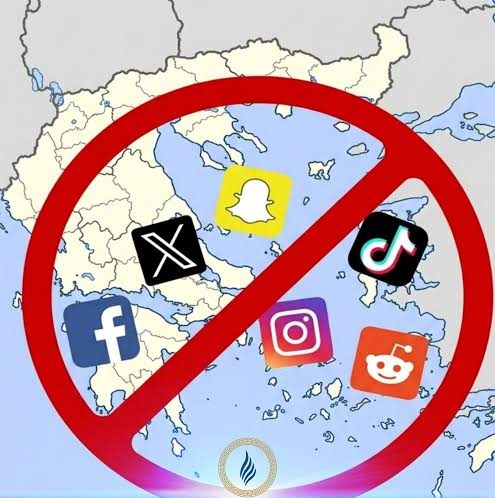
Greece has passed legislation banning children under the age of 15 from using social media platforms, becoming one of the latest countries to introduce sweeping restrictions aimed at protecting young people from online addiction, cyberbullying and potential mental health risks. The Greek Parliament approved the controversial legislation on Friday, October 23, 2026, following heated debates between the ruling New Democracy party and opposition lawmakers. The ban will take effect on January 1, 2027, giving major technology companies just over two months to introduce reliable age-verification systems.
Prime Minister Kyriakos Mitsotakis, who first announced the initiative in April, has defended the measure as necessary to protect children from excessive screen time and harmful online experiences. Under the legislation, social media companies must prevent children younger than 15 from accessing covered services, including platforms such as Facebook, Instagram and TikTok. The restrictions will also require companies to verify the ages of existing users, rather than relying solely on birth dates provided during account registration.
However, private messaging services are excluded from the ban. Authorities intend to use privacy-conscious verification mechanisms, including Greece’s existing Kids Wallet digital application, to establish whether users meet the minimum age requirement. Companies that fail to comply could face substantial financial penalties under applicable European digital services regulations, potentially reaching six percent of their global annual turnover.
Despite government support, the legislation encountered strong political opposition. Mitsotakis’s New Democracy party secured its passage using its parliamentary majority, while several opposition parties voted against the proposal. The opposition PASOK party abstained, having advocated an alternative approach that would prohibit social media access for children under 13 while allowing older minors to use platforms under parental supervision.
Supporters argue that social media platforms employ algorithms designed to maximise user engagement, potentially contributing to sleep disruption, reduced concentration and unhealthy online habits. Critics, however, question whether age restrictions can be effectively enforced without compromising children’s privacy or encouraging users to circumvent verification systems.
Greece’s decision comes amid a growing international campaign to regulate children’s digital activities. Australia introduced comparable restrictions in 2025, while several European countries continue considering legislation to limit minors’ exposure to social media.
The European Commission has also proposed stronger continent-wide protections, including stricter age-verification requirements. For Greek families, the legislation represents a major shift in how children will access digital platforms. Its effectiveness will ultimately depend on enforcement, technology companies’ cooperation and whether the restrictions meaningfully improve children’s online safety.



















