

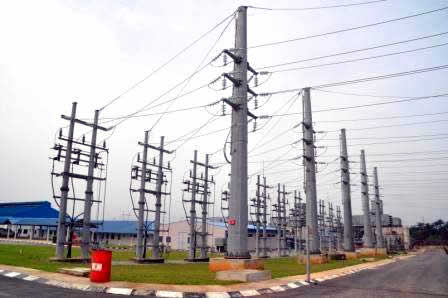
LAGOS, NIGERIA — Eko Power Limited has reaffirmed its status as a licensed electricity distribution company operating in southern Lagos, marking another milestone in Nigeria’s evolving power sector as state governments assume greater control over electricity regulation.
The company confirmed that its operations are authorised by the Lagos State Electricity Regulatory Commission (LASERC), which now oversees electricity distribution, tariff regulation and customer service standards within the state’s electricity market.
In a statement reported on October 20, Eko Power explained that its regulatory status followed constitutional and legislative reforms designed to decentralise Nigeria’s electricity industry.
The reforms began with the Electricity Act 2023 and constitutional amendments that empowered state governments to regulate electricity generation, transmission and distribution within their jurisdictions.
Lagos subsequently enacted the Lagos State Electricity Law 2024, establishing LASERC as the authority responsible for supervising the state’s electricity market.
The Nigerian Electricity Regulatory Commission (NERC) initiated the transfer of regulatory oversight in December 2024, with the transition completed in June 2025.
Under the new framework, Eko Power operates as the successor distribution company serving southern Lagos, with its licence issued directly by the state regulator.
The company said its electricity tariffs and service commitments are governed by LASERC’s regulatory requirements rather than independently determined by the distributor.
It maintained that customers across different electricity service bands and feeders are covered by published performance commitments intended to promote accountability and transparency.
Eko Power also pledged to continue publishing tariff information and service delivery reports in accordance with regulatory obligations.
The development represents a significant change in how electricity distribution is supervised in Nigeria’s commercial capital.
Previously, distribution companies operated primarily under federal regulatory oversight, limiting the direct authority of state governments over electricity services.
The decentralised system is intended to encourage investment, strengthen local accountability and create opportunities for electricity market development.
However, industry challenges remain substantial.
Persistent electricity shortages, transmission constraints, inadequate infrastructure and concerns over billing continue to affect households and businesses across Lagos.
For electricity consumers, the transition places greater responsibility on state regulators to enforce service standards, ensure transparent billing and address complaints against distribution companies.
The company’s latest announcement does not establish an immediate tariff reduction or guarantee an improvement in electricity supply.
As Lagos advances its electricity reforms, attention will increasingly focus on whether stronger local regulation produces measurable improvements in reliability, affordability and customer protection.



















